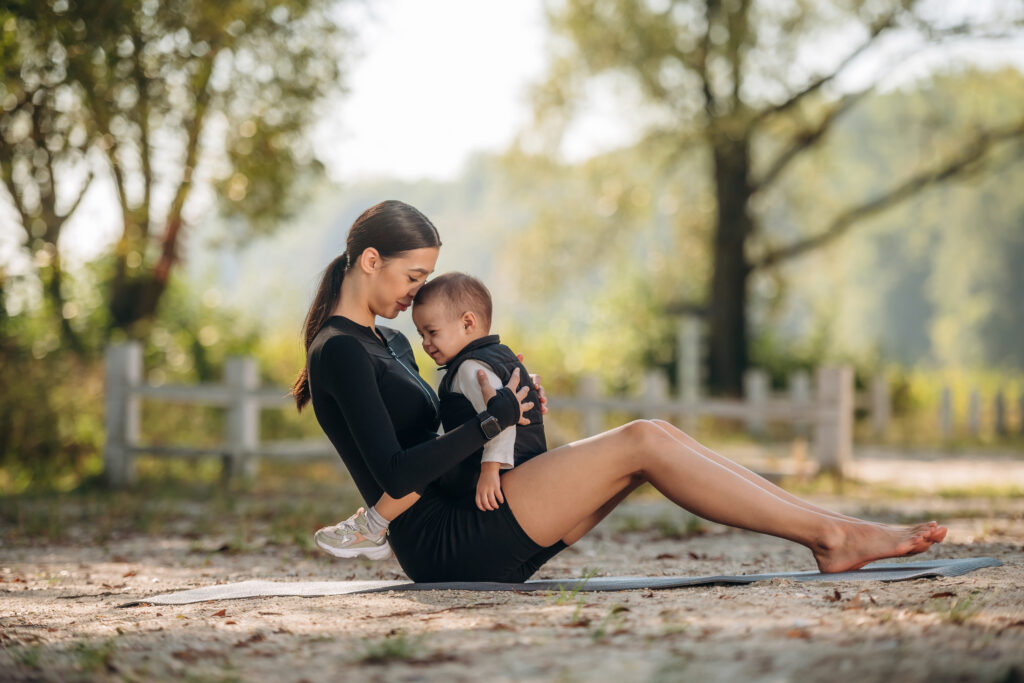
Returning to exercise after having a baby can feel exciting, confusing, and overwhelming all at once. You may miss your workouts, want to rebuild strength, or want to feel more like yourself again. At the same time, your body has gone through pregnancy, birth, hormonal changes, sleep disruption, feeding demands, and recovery.
During the summer, especially in Florida, returning to movement can come with extra challenges. July heat, humidity, dehydration, busy family schedules, travel, and outdoor activities can all affect how your postpartum body feels.
The good news is that exercise after baby does not have to be all-or-nothing. A safe return to movement starts with listening to your body, rebuilding gradually, and paying attention to pelvic floor symptoms that may be telling you to slow down or get support.
For moms looking for pelvic therapy options in South Florida, postpartum pelvic floor therapy can help you return to exercise with more confidence, comfort, and control.
Why Postpartum Exercise Needs a Gradual Approach
Your body changes significantly during pregnancy and birth. The abdominal wall stretches, the pelvic floor supports extra pressure, the diaphragm and breathing mechanics shift, and the hips, pelvis, and spine adapt to carrying and delivering a baby.
Even if you exercised throughout pregnancy, your postpartum body is not the same body you had before. It deserves time and strategy.
Returning too quickly to high-impact workouts, heavy lifting, running, intense core exercises, or long outdoor sessions may increase symptoms such as:
- Urine leakage
- Pelvic heaviness or pressure
- Back, hip, or pelvic pain
- Abdominal doming or coning
- Pain with intimacy
- Tailbone pain
- Increased bleeding
- A dragging sensation in the vagina or pelvis
- Difficulty controlling gas or bowel movements
These symptoms are common, but they are not something you should ignore. There may be signs that your pelvic floor, core, or connective tissues need more support before increasing intensity.
When Can You Start Exercising After Baby?
The answer depends on your birth experience, symptoms, healing, and medical guidance.
Mayo Clinic explains that if you had an uncomplicated vaginal delivery and exercised during pregnancy, it may be safe to begin light exercise within days of delivery or when you feel ready. If you had a C-section, difficult delivery, or complications, you should talk with your healthcare provider about when to begin an exercise program.
In the earliest weeks, movement may look simple. Short walks, gentle breathing, posture awareness, and basic pelvic floor connection may be enough. This is still an exercise. It is still progress.
You do not need to rush back into intense workouts to be doing something beneficial for your body.
Summer Heat and the Postpartum Body
Summer movement in Florida requires extra awareness. Heat and humidity can make workouts feel harder than usual. Your heart rate may rise faster, fatigue may come on sooner, and sweating can increase fluid loss.
This matters even more postpartum because you may also be managing:
- Interrupted sleep
- Breastfeeding or pumping
- Healing tissue
- Hormonal changes
- Increased joint mobility
- C-section or perineal scar healing
- Less time for meals and hydration
- Carrying and lifting your baby throughout the day
If you are returning to exercise during July, choose cooler times of day when possible. Early morning or evening may be more comfortable than midday. If you are walking outside, bring water, choose shaded routes, and permit yourself to shorten the session.
A 10-minute walk that feels good is more helpful than a 45-minute walk that leaves you exhausted, leaking, or in pain.
Start With Breath and Core Connection
Before returning to intense core workouts, it is helpful to reconnect with your breathing and deep core system.
Your diaphragm, abdominal muscles, pelvic floor, and deep back muscles work together to manage pressure. During pregnancy and birth, this system can become less coordinated. That is one reason some moms notice leaking, heaviness, or abdominal doming when they return to exercise.
A gentle starting point may include:
- Diaphragmatic breathing
- Rib cage mobility
- Pelvic floor relaxation
- Gentle pelvic floor contractions if appropriate
- Heel slides
- Bent knee fallouts
- Supported bridges
- Seated posture work
- Gentle walking
Not every postpartum person needs the same exercises. Some need more strengthening. Others need more relaxation and downtraining. Some need scar mobility, hip work, or pressure management before traditional core training feels good.
This is where pelvic floor therapy in Florida can be especially helpful. A personalized evaluation can identify what your body needs instead of relying on a one-size-fits-all postpartum workout plan.
Signs You May Be Doing Too Much Too Soon
Postpartum exercise should challenge your body gradually, but it should not create symptoms that linger or worsen.
You may need to scale back or get support if you notice:
- Leaking urine during or after exercise
- Pelvic pressure, heaviness, or bulging
- Pain in the pelvis, hips, low back, or tailbone
- Increased bleeding after activity
- Abdominal doming or coning
- A feeling of instability through the core
- Difficulty breathing during movement
- Pain around a C-section scar or perineal scar
- Symptoms that are worse later in the day
- Exhaustion that feels disproportionate to the activity
These signs do not mean you failed. They mean your body is giving you information. Adjusting your plan early can help prevent frustration and support a smoother return to movement.
Safe Summer Movement Tips for Postpartum Moms
Returning to exercise in the summer does not mean avoiding movement. It means being intentional.
Choose low-impact movement first
Walking, gentle mobility, bodyweight strength, swimming with clearance, and low-impact cardio are often better starting points than running, jumping, or intense interval training.
Watch your pressure
If you hold your breath during movement, your core and pelvic floor may experience more pressure. Try exhaling during effort, especially when lifting, standing from the floor, pushing a stroller uphill, or carrying your baby.
Keep workouts shorter at first
Shorter sessions are easier to recover from. Start with small amounts of movement and build gradually.
Hydrate before and after activity
Heat and sweating can increase fluid needs. If you are breastfeeding, hydration may be even more important. Try sipping water throughout the day instead of waiting until you feel very thirsty.
Avoid peak heat when possible
Outdoor movement during the hottest part of the day can increase fatigue and make symptoms more noticeable. Choose shaded areas, indoor options, or cooler times of day.
Progress one thing at a time
Avoid increasing distance, speed, impact, and weight all at once. Change one variable, then see how your body responds.
Pay attention to the next 24 hours
Sometimes symptoms do not show up during the workout. They may appear later that day or the next morning. If symptoms increase, your body may need a slower progression.
What About Running After Baby?
Many moms are eager to return to running. Running is a high-impact activity that places repeated load through the pelvic floor, hips, core, and legs. Before returning to running, it is helpful to have a foundation of strength, balance, breathing control, and pelvic floor coordination.
You may not be ready for running yet if you are experiencing leakage, pelvic heaviness, pain, abdominal doming, or difficulty controlling pressure.
A gradual return may include walking, hills, strength training, single-leg stability, low-impact cardio, and short run-walk intervals when appropriate. A pelvic floor therapist can help assess readiness and guide progression safely.
How Pelvic Floor Therapy Supports Postpartum Exercise
Pelvic floor therapy is not only for people with pain or leakage. It can also help postpartum moms return to exercise safely and confidently.
A pelvic therapy plan may include:
- Pelvic floor muscle assessment
- Core and breathing coordination
- Diastasis recti screening
- C-section or perineal scar support
- Hip and glute strengthening
- Posture and lifting mechanics
- Bladder and bowel habit support
- Return-to-running guidance
- Exercise modifications
- A gradual strength plan
To learn more about postpartum pelvic health and recovery support, visit Davenport Pelvic Therapy’s postpartum pelvic health resource: Postpartum Pelvic Health: Common Issues New Mothers Face and Recovery Tips.
Support for Postpartum Moms in Florida
You do not have to figure out postpartum exercise alone. Generic workout plans may not consider your birth story, symptoms, scar healing, pelvic floor function, core coordination, sleep, feeding demands, or summer environment.
Davenport Pelvic Therapy offers pelvic floor therapy in Florida and has several locations throughout the state. For postpartum moms searching for pelvic health specialists in South Florida, the team can help you understand what your body needs and create a plan that supports your goals.
Whether you want to return to walking, running, strength training, Pilates, group fitness, beach activities, or simply lifting your baby without discomfort, personalized pelvic therapy can help you move forward safely.
To connect with Davenport Pelvic Therapy or find the location that is most convenient for you, visit the contact page.
The Bottom Line
Returning to exercise after a baby is not about bouncing back. It is about rebuilding with patience, strength, and support.
During the summer, Florida’s heat can add extra stress to the postpartum body. Hydration, pacing, cooler workout times, symptom awareness, and gradual progression can all help you return to movement more safely.
If you experience leaking, heaviness, pain, abdominal doming, or pressure during exercise, your body may need more support before increasing intensity. These symptoms are common, but they are not something you have to live with.
With the right plan, postpartum moms can rebuild strength, restore confidence, and return to the activities they love.