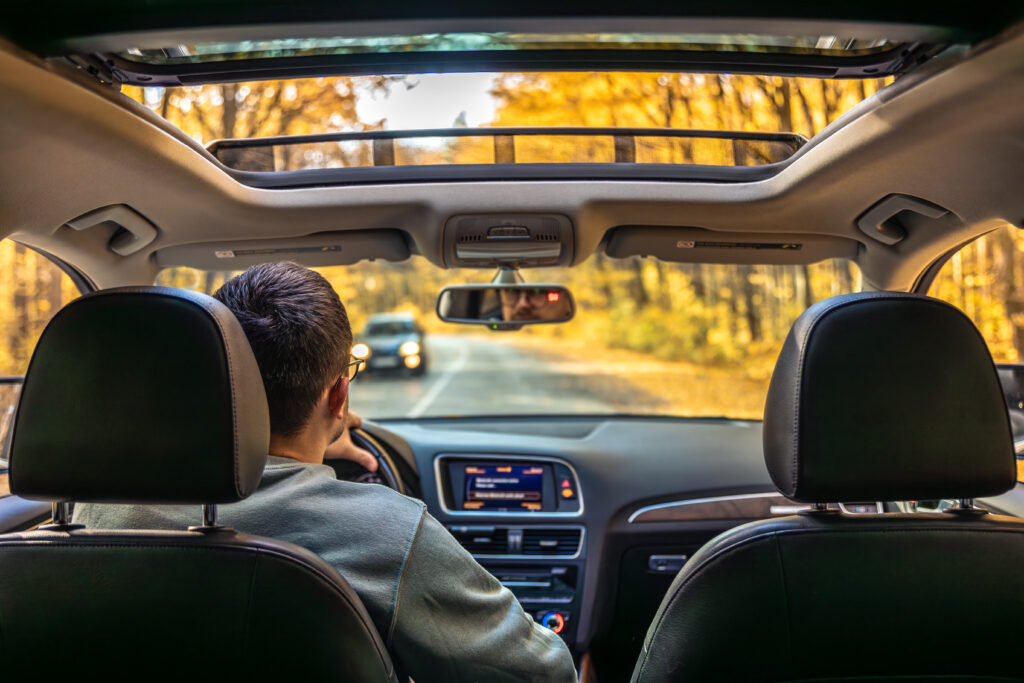
Summer is the perfect season for family vacations, weekend getaways, and scenic road trips. Whether you’re exploring Florida’s coastline or driving across state lines, spending several hours in the car often comes with the territory. While many people expect some stiffness after a long drive, fewer realize that prolonged sitting can also contribute to pelvic pain, hip tightness, tailbone discomfort, and changes in bladder function.
If you’ve returned from a road trip feeling sore in ways that go beyond typical muscle fatigue, your pelvic region may be playing a role. Sitting for extended periods places continuous pressure on the muscles and tissues around the pelvis, especially when movement is limited. Understanding why this happens can help you protect your body during future travels and recognize when professional care may be beneficial.
If you’re looking for pelvic floor therapy in Florida, learning how travel affects pelvic health is an important place to start.
How Extended Sitting Impacts Your Pelvic Health
Deep within your pelvis is a network of muscles and connective tissues that helps stabilize your core while supporting normal bladder, bowel, and sexual function. These muscles also work closely with your hips, abdomen, lower back, and breathing muscles to keep your body balanced during everyday activities.
When you remain seated for hours without changing positions, these structures stay under continuous pressure. At the same time, circulation slows, joints become less mobile, and nearby muscles begin to tighten.
Over time, prolonged sitting may lead to:
- Increased muscle tension around the pelvis
- Tight hip flexors
- Reduced flexibility
- Pressure on the tailbone
- Stiffness in the lower back
- Irritation of sensitive pelvic tissues
For individuals who already have pelvic floor dysfunction, long car rides can make existing symptoms more noticeable.
Symptoms You May Notice After a Long Drive
Everyone responds differently to extended travel. While some people simply feel stiff, others experience symptoms that linger well after the trip ends.
Pelvic Discomfort
Remaining in one position for several hours can create muscle tightness around the pelvis, leading to aching, pressure, or a feeling of heaviness.
Tailbone Pain
Because much of your body weight rests on the sitting bones and tailbone while driving, prolonged pressure can irritate these areas and make sitting uncomfortable afterward.
Tight Hips
Hip muscles naturally shorten during long periods of sitting. This tightness may alter the way you move once you stand up, contributing to discomfort throughout the pelvis and lower body.
Lower Back Stiffness
Your lower back and pelvic muscles function as part of the same support system. When one area becomes strained, nearby muscles often compensate, increasing discomfort after hours behind the wheel.
Bladder Changes
Some travelers notice increased urinary urgency or a sensation that the bladder is not emptying after long trips. Muscle tension around the pelvis can sometimes contribute to these symptoms.
Travel Habits That Can Make Symptoms Worse
Long drives involve more than simply sitting in a vehicle. Several common travel habits may place additional stress on your body.
Skipping Rest Stops
It’s tempting to drive as far as possible before taking a break. Unfortunately, remaining seated for extended periods allows muscles to become progressively tighter.
Drinking Less Water
Many people reduce their fluid intake to avoid frequent restroom stops. However, dehydration can irritate the bladder and contribute to urinary discomfort.
Poor Driving Posture
Leaning forward toward the steering wheel or slouching in the seat can increase strain on the hips, lower back, and pelvic region.
Lifting Heavy Bags
Loading luggage into the trunk or carrying heavy suitcases without proper body mechanics may increase pressure through the abdomen and pelvis.
Tips to Reduce Pelvic Discomfort During Road Trips
Fortunately, a few simple adjustments can make long drives much more comfortable.
Take Frequent Movement Breaks
Whenever possible, stop every one to two hours.
During each break:
- Walk for several minutes.
- Stretch your hips and calves.
- Gently move your lower back.
- Practice slow, deep breathing.
Even brief movement helps improve circulation and reduces muscle stiffness.
Improve Your Sitting Position
Maintaining good posture helps distribute pressure more evenly throughout your body.
Consider these adjustments:
- Sit all the way back in your seat.
- Keep both feet comfortably supported.
- Position your knees slightly lower than your hips.
- Support the natural curve of your lower back with a small cushion if needed.
Small posture changes can significantly improve comfort during extended drives.
Stay Hydrated
Water supports healthy bladder function and overall tissue health.
Rather than limiting fluids, drink consistently throughout your trip and plan regular restroom stops along your route.
Practice Relaxed Breathing
Deep diaphragmatic breathing encourages muscles throughout your body, including those in the pelvic region, to relax.
Taking a few slow breaths during each break can help reduce unnecessary muscle tension before continuing your drive.
What to Do After You Arrive
Once you’ve reached your destination, resist the urge to remain seated for the rest of the evening.
Instead, try to:
- Take a short walk
- Stretch your hips and legs
- Perform gentle mobility exercises
- Continue drinking water
- Change positions frequently
Restoring movement soon after a long drive often helps reduce stiffness and improve circulation.
When It’s Time to Seek Professional Care
Some soreness after extended travel is perfectly normal. However, recurring symptoms that develop after every road trip or persist for several days deserve attention.
You should consider an evaluation if you experience:
- Ongoing pelvic pain
- Tailbone discomfort
- Frequent urinary urgency
- Bladder leakage
- Pain while sitting
- Hip pain that repeatedly returns after travel
- Persistent lower back pain
- Pain during intimacy
According to the Mayo Clinic, pain that develops or worsens after prolonged sitting, particularly around the tailbone and surrounding tissues, may indicate an underlying condition that should be evaluated. If these symptoms continue after your trip or repeatedly occur following long periods of sitting, a pelvic health assessment can help identify the contributing factors.
How Pelvic Floor Physical Therapy Can Help
Pelvic floor physical therapy is designed to evaluate the underlying factors contributing to pain, muscle tension, and movement limitations rather than only addressing the symptoms themselves.
During your evaluation, a pelvic health specialist may assess:
- Muscle coordination
- Hip mobility
- Core stability
- Posture
- Breathing patterns
- Everyday movement habits
Based on these findings, your treatment plan may include:
- Manual therapy
- Stretching exercises
- Strengthening programs
- Pelvic muscle retraining
- Education about bladder and bowel habits
- Strategies to improve posture and daily movement
Every treatment plan is tailored to your individual needs and goals, helping you return to everyday activities with greater comfort and confidence.
Pelvic Therapy Options in Florida
Whether you’re returning from a summer vacation or spend long hours driving for work, recurring pelvic discomfort should not be dismissed as something you simply have to live with.
At Davenport Pelvic Therapy, our experienced team provides individualized care for both women and men experiencing pelvic pain, bladder concerns, bowel dysfunction, and other conditions related to pelvic health. With several locations throughout Florida, we are committed to helping patients improve mobility, reduce discomfort, and regain confidence through evidence-based treatment.
If you’re ready to explore your treatment options, visit our Contact page to find the Davenport Pelvic Therapy location that is most convenient for you.
If you’ve experienced increased pelvic discomfort during Florida’s hottest months, learn what may be contributing to your symptoms and practical ways to manage them.
Enjoy Your Next Road Trip With Greater Comfort
Road trips are meant to create lasting memories, not lingering aches and pains. By taking regular movement breaks, maintaining healthy posture, staying hydrated, and paying attention to early warning signs, you can reduce the physical demands that prolonged sitting places on your body.
If discomfort continues long after your vacation has ended, don’t assume it’s something you simply have to tolerate. Pelvic floor physical therapy offers a personalized, non-surgical approach to improving movement, reducing pain, and supporting long-term pelvic health.
If you’re searching for pelvic health specialists in South Florida or pelvic floor therapy in Florida, Davenport Pelvic Therapy is here to help you get back to enjoying both your travels and your everyday life.