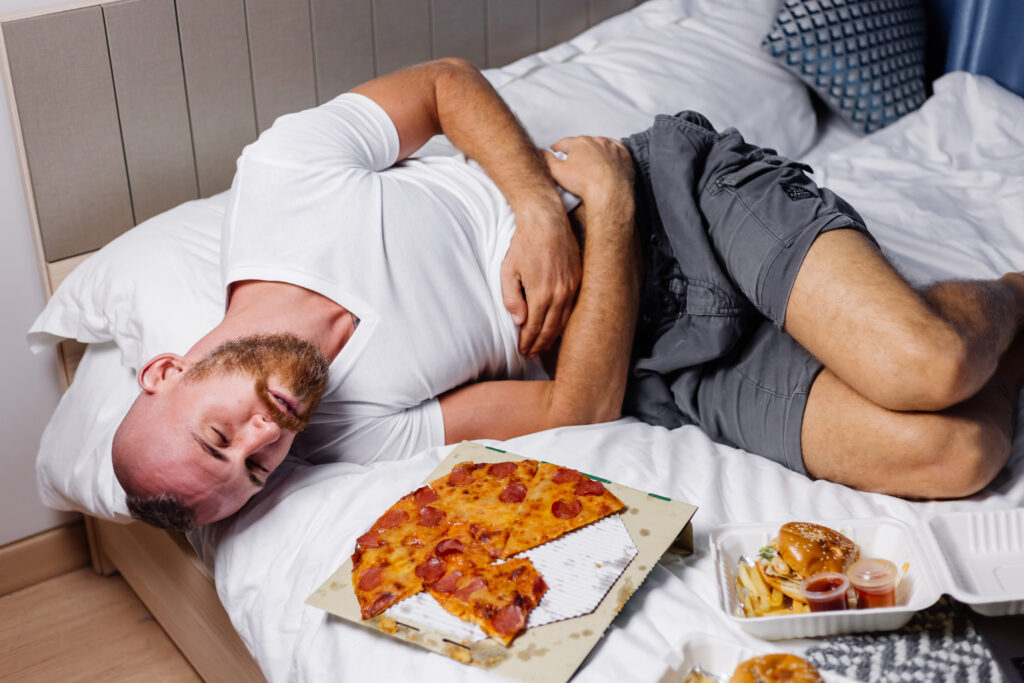
Summer in Florida often brings backyard cookouts, beach snacks, family parties, road trips, pool days, and meals that look very different from your usual routine. A schedule change can be fun, but it can also affect digestion.
If you feel more bloated, backed up, heavy in the pelvis, or uncomfortable after summer gatherings, your pelvic floor may be involved.
Constipation is often treated like a simple stomach issue, but it can affect more than digestion. When the bowel is not emptying well, pressure can build up in the abdomen and pelvis. This pressure may affect the bladder, pelvic floor muscles, hips, low back, and overall comfort.
For some people, summer constipation is occasional. For others, it becomes a pattern that leads to straining, pelvic heaviness, urinary urgency, leakage, or pain with bowel movements.
For anyone searching for pelvic therapy options in South Florida, understanding the link between summer eating, bowel habits, and pelvic floor function can help you protect your comfort during July and beyond.
Why Summer Can Disrupt Digestion
Your digestive system often responds to changes in food, fluid intake, sleep, stress, and daily rhythm. During July, many people are out of their usual routine. Meals may happen later. Water intake may drop. Travel may interrupt bathroom habits. Heat may make outdoor movement harder.
All of these changes can affect how often you have bowel movements and how easily you pass stool.
Summer habits that may contribute to constipation include:
- Eating fewer fruits and vegetables than usual
- Choosing more grilled meats and processed foods
- Drinking less water while outdoors
- Having more caffeinated or alcoholic drinks
- Eating more salty snacks
- Sitting for long drives or flights
- Delaying bathroom trips during travel or events
- Moving less because of the heat and humidity
- Eating at irregular times
Cleveland Clinic explains that constipation can involve fewer bowel movements than usual, difficulty passing stool, or stool that is hard or dry. It also notes that routine changes, diet, hydration, and activity level can all play a role.
That is why summer gatherings and travel can be a perfect setup for digestive changes, especially when the Florida heat increases fluid loss through sweating.
How Constipation Can Affect the Pelvic Floor
The pelvic floor helps with bladder control, bowel control, pelvic organ support, sexual function, and core stability. During a bowel movement, these muscles need to relax and coordinate with your breathing and abdominal muscles.
When bowel movements are difficult, many people push harder or hold their breath. This creates downward pressure through the pelvis. If this happens regularly, the pelvic floor may become irritated, tense, fatigued, or overloaded.
Constipation may contribute to symptoms such as:
- Pelvic heaviness or pressure
- Rectal pressure
- Tailbone discomfort
- Bloating
- Urinary urgency
- Urinary frequency
- Urine leakage
- Pain with bowel movements
- Feeling like you cannot fully empty
- Worsening prolapse symptoms
- Hemorrhoid irritation
The relationship can also go both ways. Constipation can place stress on the pelvic floor, but pelvic floor tension can also make constipation worse. If the muscles tighten when they should relax, stool may feel hard to pass even when you have the urge to go.
Core Pressure and Bathroom Straining
Your core is more than your abs. It includes your diaphragm, deep abdominal muscles, spinal stabilizers, and pelvic floor. These areas work together to manage pressure during breathing, lifting, coughing, exercise, and bowel movements.
When you strain on the toilet, pressure increases inside the abdomen. That pressure often moves downward toward the pelvic floor. Occasional straining may happen, but repeated straining can become a problem for people with pelvic floor symptoms.
This is especially important if you have:
- Postpartum pelvic floor symptoms
- Pelvic organ prolapse
- Urinary leakage
- Chronic constipation
- Diastasis recti
- Pelvic pain
- Pain with intimacy
- Tailbone or low back pain
- A history of pelvic surgery
Learning how to reduce bathroom strain can help support the pelvic floor and make bowel movements more comfortable.
Summer Foods That May Slow Things Down
Cookout foods do not need to be “bad” to affect digestion. The issue is often a balance. If several low-fiber meals happen in a row, especially with less water and more time sitting, bowel movements may slow down.
Foods that may contribute to constipation for some people include:
- Large portions of grilled meat
- Processed meats
- Cheese-heavy dishes
- Chips and salty snacks
- White bread or refined grains
- Fried foods
- Low-fiber desserts
- Sugary drinks
- Alcoholic beverages
You do not need to avoid summer foods completely. Instead, look for ways to add foods that support digestion.
Helpful options may include:
- Watermelon
- Berries
- Peaches
- Corn
- Leafy greens
- Grilled vegetables
- Beans
- Lentils
- Whole-grain buns
- Oat-based snacks
- Avocado
- Chia pudding
A simple summer plate can include protein, a fiber-rich side, fruit, and water. Small changes like these can make digestion easier without taking the enjoyment out of cookouts.
Hydration and Florida Heat
Hydration matters for both bowel and bladder health. In hot Florida weather, your body may lose more fluid through sweat even when you are not exercising intensely. If fluid intake does not keep up, stool may become harder to pass.
Davenport Pelvic Therapy explains more about this connection in its resource on Why Pelvic Pain Can Flare Up in Warmer Weather and What You Can Do About It.
Some people with bladder urgency intentionally drink less water because they worry about needing the bathroom too often. However, drinking too little can sometimes make bladder symptoms feel worse because concentrated urine may irritate the bladder.
A more supportive approach is to sip water steadily throughout the day.
You may need to be more mindful of fluids if you are:
- Spending time outside
- Sweating more than usual
- Exercising
- Breastfeeding
- Traveling
- Eating salty foods
- Drinking caffeine or alcohol
- Recovering postpartum
- Working outdoors
Hydration needs are personal, so pay attention to thirst, urine color, activity level, and how your body responds.
Better Bathroom Habits for Less Pelvic Pressure
Bathroom habits can make a major difference in pelvic floor strain. Many people push too hard without realizing how much pressure they are placing on the pelvic floor.
Try these strategies to support easier bowel movements:
Raise your feet
Using a small footstool can place your knees above your hips. This position may help the pelvic floor relax and make bowel movements easier.
Breathe instead of bearing down
Holding your breath and pushing hard increases pressure. Try slow breathing and gentle abdominal expansion instead.
Give your body time, but do not force it
If nothing happens after a few minutes, get up and try again later. Sitting too long and straining can irritate the pelvic floor.
Respond when the urge appears
Ignoring the urge to go can make stool harder to pass later. This can be challenging during travel or social events, but responding to natural urges supports bowel health.
Build a routine
Many people find it easier to have a bowel movement after breakfast, a warm drink, or gentle morning movement. A consistent routine can help your body develop a more predictable pattern.
When Constipation May Be Related to the Pelvic Floor
Constipation is sometimes connected to food, hydration, or schedule changes. But when it happens often or feels difficult to manage, the pelvic floor may be part of the problem.
Pelvic floor involvement may be more likely if you notice:
- Frequent straining
- A blocked sensation
- Feeling like you cannot fully empty
- Needing to shift positions on the toilet
- Pain during or after bowel movements
- Pelvic pressure after using the bathroom
- Constipation along with urine leakage
- Constipation along with urgency
- Constipation with pelvic pain
- Symptoms after childbirth, pelvic surgery, or menopause
Pelvic floor therapy in Florida can help evaluate whether the muscles are relaxing and coordinating well during bowel movements.
How Pelvic Floor Therapy Can Help
Pelvic floor therapy is not only for bladder leakage or pelvic pain. It can also help with constipation, bowel mechanics, pelvic pressure, and core coordination.
A personalized plan may include:
- Pelvic floor muscle assessment
- Bowel habit education
- Toilet posture training
- Breathing strategies
- Core pressure management
- Hip and abdominal mobility
- Pelvic floor relaxation work
- Manual therapy when appropriate
- Guidance for lifting and exercise
- Bladder and bowel routine support
Pelvic Health Support in Florida
Constipation may be common during cookout season, travel, and hot summer months, but it should not be ignored when it affects comfort, bladder habits, or pelvic pressure.
Davenport Pelvic Therapy offers pelvic floor therapy in Florida and has several locations throughout the state. For patients looking for pelvic health specialists in South Florida, the team can help determine whether constipation, pressure, bladder symptoms, or core coordination issues are connected to pelvic floor function.
Whether symptoms began postpartum, after surgery, during menopause, after a change in activity, or gradually over time, pelvic therapy can help you better understand what is happening and what may help.
To connect with Davenport Pelvic Therapy or find the location that is most convenient for you, visit the contact page.
The Bottom Line
Summer eating can affect more than your stomach. Cookout foods, low water intake, travel, heat, and changes in bathroom routines can all influence constipation. When constipation leads to straining or pelvic pressure, the pelvic floor may be affected too.
If you are dealing with bloating, straining, incomplete emptying, pelvic heaviness, urinary urgency, or discomfort, your body may need more support.
With balanced hydration, fiber-rich foods, better toilet habits, and pelvic floor therapy when needed, you can enjoy summer meals while supporting your pelvic health.