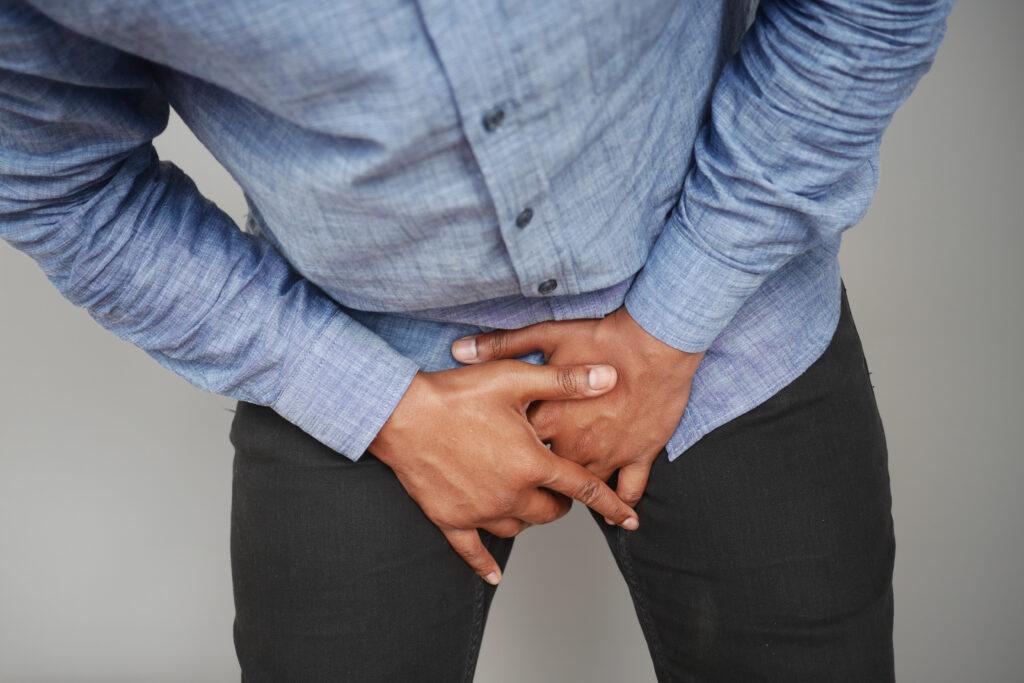
Frequent trips to the bathroom can be frustrating, disruptive, and sometimes even embarrassing. While it may seem like a minor inconvenience, needing to urinate often can interfere with your daily routine, sleep quality, and overall well-being. Many individuals start planning their day around restroom access or feel anxious when they are away from home.
If you find yourself constantly needing to go, it is important to know that this is not something you simply have to live with. Frequent urination is often a sign that something in your body, particularly your pelvic floor or bladder function, needs attention. Understanding the cause is the first step toward finding lasting relief.
What Is Considered Frequent Urination?
Frequent urination refers to needing to urinate more often than is typical for your body. While hydration levels, activity, and diet all play a role, most people urinate about 6 to 8 times per day.
You may be experiencing frequent urination if you:
- Feel the urge to go more often than usual
- Wake up multiple times during the night to urinate
- Struggle to delay the urge once it starts
- Feel like your bladder does not fully empty
- Notice sudden, strong urges that are hard to control
Occasional increases in frequency can be normal, especially if you are drinking more fluids or consuming caffeine. However, when symptoms become consistent or disruptive, it is worth exploring further.
Common Causes of Frequent Urination
There are several reasons why you may be going to the bathroom more often. In many cases, the pelvic floor muscles play a key role in bladder control.
Overactive Bladder
An overactive bladder occurs when the bladder sends signals to empty more frequently than necessary. This can lead to urgency and frequent bathroom trips, even when the bladder is not full.
Pelvic Floor Dysfunction
The pelvic floor supports the bladder and helps control urination. When these muscles are not coordinating properly, it can lead to urgency, frequency, or incomplete emptying. Some individuals experience increased muscle tension, which can irritate bladder signals.
Fluid Intake and Dietary Triggers
Drinking large amounts of fluids, especially caffeinated or carbonated beverages, can increase urinary frequency. Foods and drinks such as coffee, tea, soda, and alcohol may irritate the bladder.
Urinary Tract Infections (UTIs)
UTIs can cause frequent urges to urinate, often along with burning or discomfort. These symptoms usually require medical treatment.
Hormonal Changes
Hormonal shifts during postpartum recovery, perimenopause, or menopause can affect bladder sensitivity and control.
Stress and Lifestyle Factors
Stress can influence how your body responds to bladder signals. Increased muscle tension and nervous system activity may contribute to urgency and frequency.
How Frequent Urination Affects Daily Life
Frequent urination can impact more than just your bladder. It often affects multiple areas of life, including:
- Interrupted sleep due to nighttime bathroom trips
- Difficulty focusing at work or during activities
- Anxiety about access to restrooms when traveling
- Reduced participation in social or physical activities
- Decreased confidence in daily routines
Over time, these disruptions can affect both physical and emotional well-being. Addressing the root cause can help restore comfort and confidence.
When Frequent Urination May Be a Concern
While occasional changes are normal, certain symptoms may indicate a need for professional evaluation.
You should consider seeking help if you:
- Urinate more than 8 times per day consistently
- Wake up frequently at night to urinate
- Experience sudden urgency that is difficult to control
- Notice leakage or accidents
- Feel pressure, discomfort, or heaviness in the pelvic area
- Adjust your daily routine around bathroom access
Early treatment can help prevent symptoms from becoming more persistent and disruptive.
How Pelvic Floor Therapy Can Help
Pelvic floor therapy is a highly effective and non-invasive approach to managing frequent urination. It focuses on improving how the muscles and bladder work together.
Improving Bladder Control
Therapy helps retrain the pelvic floor muscles to better support bladder function and reduce unnecessary urgency.
Reducing Urgency and Frequency
Specific techniques can help calm bladder signals and increase your ability to delay urination.
Enhancing Muscle Coordination
Treatment focuses on improving the timing and coordination between the pelvic floor and surrounding muscles.
Education and Habit Training
You will learn strategies for managing fluid intake, identifying triggers, and improving bladder habits.
Supporting Long-Term Results
Therapy is designed to create sustainable improvements rather than temporary relief.
What to Expect During Treatment
Your first pelvic floor therapy session is focused on understanding your symptoms and creating a personalized plan.
This may include:
- A detailed discussion of your bladder habits and lifestyle
- Education about how the pelvic floor supports bladder function
- A physical assessment, performed only with your consent
- A customized treatment plan based on your needs
Sessions are conducted in a private, supportive environment where your comfort is always a priority.
Simple Tips to Help Manage Frequent Urination
While professional care is important for ongoing symptoms, these strategies may help support your progress:
- Monitor fluid intake and avoid excessive consumption
- Limit bladder irritants such as caffeine and alcohol
- Practice timed voiding to train your bladder
- Use deep breathing to reduce pelvic tension
- Avoid rushing to the bathroom at the first urge
These steps can help improve awareness and control, but should not replace proper evaluation if symptoms persist.
Learn More About Bladder Health
Paying attention to your bladder habits and daily routines can make a big difference in managing symptoms. Small adjustments in fluid intake, timing, and lifestyle choices can help improve control and reduce discomfort. Check out these helpful, practical tips and guidance for more.
According to the Cleveland Clinic, frequent urination refers to needing to empty your bladder more often than is typical during both the day and nighttime hours. It can affect individuals of any age, though it tends to occur more often in older adults, during pregnancy, or in those with prostate enlargement. One of the most common causes is a urinary tract infection, and treatment will vary depending on the underlying reason for the symptoms.
Pelvic Therapy Options in South Florida
If you are searching for pelvic therapy options in South Florida or looking for pelvic floor therapy in Florida, working with experienced providers can help you regain control and confidence.
Davenport Pelvic Therapy offers care across several locations in Florida, making it easier to access specialized treatment. Their team of pelvic health specialists in South Florida focuses on individualized care plans designed to address your specific symptoms and goals.
Take the First Step Toward Better Bladder Control
Frequent urination is not something you have to manage on your own. With the right care and guidance, it is possible to improve bladder control and reduce disruptions to your daily life.
Ready to feel more confident and in control? Davenport Pelvic Therapy is here to help. Call today to schedule your appointment or visit the contact page to find one of several Florida locations.
With accessible pelvic therapy options in South Florida and across the state, expert care is within reach. Taking the first step can help you improve bladder control, sleep better, and return to your daily activities with confidence.