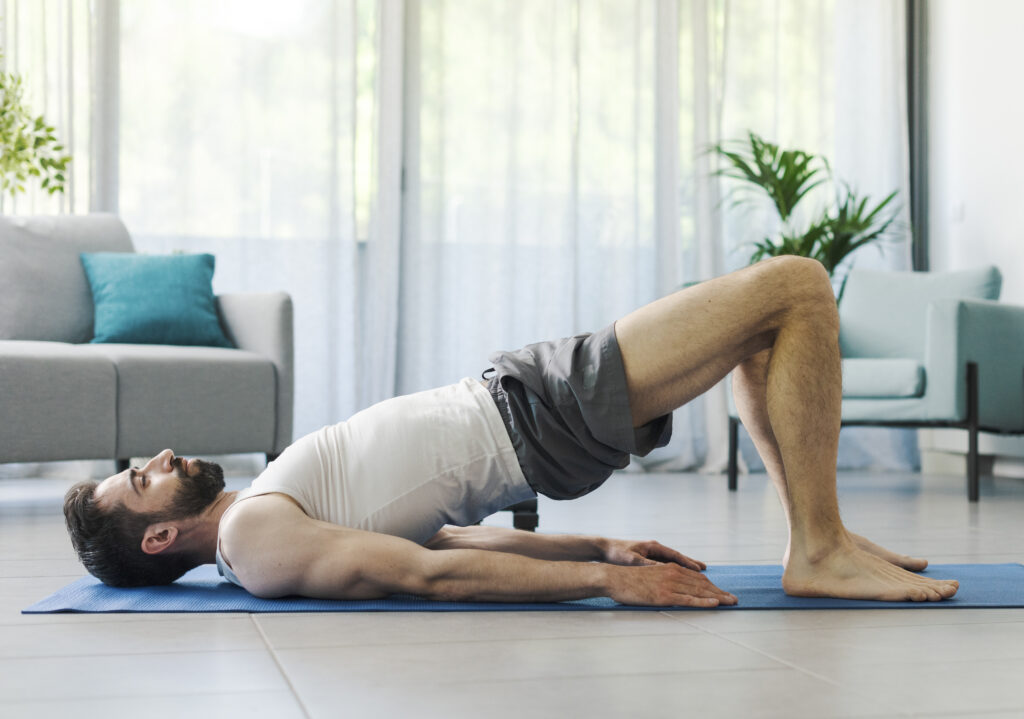
Exercise is supposed to make you feel better, not worse. But for many men dealing with pelvic pain, workouts can leave them feeling tighter, more uncomfortable, or irritated afterward. If you’ve noticed pelvic pressure, urinary urgency, or deep soreness following exercise, you’re not alone.
Pelvic pain after exercise does not mean you should stop moving altogether. In many cases, the issue is not the activity itself but how your body is responding to it. Understanding why certain movements trigger symptoms is the first step toward exercising safely and comfortably again.
At Davenport Pelvic Therapy, we regularly work with men who are active but frustrated by pelvic discomfort that seems to flare up after workouts. The good news is that most exercise-related pelvic pain can be improved with the right adjustments.
Why Exercise Can Trigger Pelvic Pain
Pelvic pain often worsens after exercise because the pelvic floor is already under strain. When you add movement, pressure, or breath holding, those muscles may tighten even more instead of supporting the body smoothly.
Here are the most common reasons this happens:
Over-Bracing the Core
Many workouts encourage you to tighten your abs to protect your back. While some core engagement is helpful, constant bracing increases pressure inside the abdomen. That pressure pushes downward onto the pelvic floor.
If the pelvic floor is already tense or overactive, this added load can lead to pain, heaviness, or urinary symptoms after exercise.
Holding Your Breath
Breath-holding during lifting, planks, or intense movements is very common. When you hold your breath, pressure spikes in the abdomen and pelvis. This can irritate sensitive tissues and trigger symptoms later in the day.
Learning to breathe through effort can dramatically reduce pelvic strain.
High-Impact Movements
Running, jumping, heavy lifting, or sudden direction changes place repeated stress on the pelvic floor. If the muscles are not coordinating well, they may tighten defensively instead of absorbing force.
This can lead to soreness, deep pelvic discomfort, or aching after workouts.
Limited Mobility in the Hips or Spine
When the hips or lower back are stiff, the pelvic floor often compensates. Over time, this compensation leads to overuse and tension.
Improving mobility can reduce how much work the pelvic floor has to do during exercise.
Exercising Through Pain
Ignoring early warning signs often makes symptoms worse. Pelvic pain tends to escalate when the body feels forced to work through discomfort rather than supported.
Common Exercises That Trigger Pelvic Pain
Not everyone reacts the same way, but pelvic pain often flares with:
- Heavy squats or deadlifts
- Sit-ups or crunches
- Planks held with breath holding
- High-intensity interval training
- Long-distance running
- Cycling for extended periods
This does not mean these exercises are bad. It means they may need modification, better breathing, or temporary replacement while the pelvic floor recovers.
How to Modify Exercise to Reduce Pelvic Pain
You do not need to stop exercising to protect your pelvic health. In most cases, small changes make a big difference.
Focus on Breathing During Movement
Exhaling during effort helps control pressure and allows the pelvic floor to move naturally.
For example:
- Exhale as you lift weights
- Breathe steadily during planks
- Avoid holding your breath during challenging movements
This reduces strain and improves muscle coordination.
Reduce Load and Intensity Temporarily
Lowering weight, reps, or duration gives the pelvic floor a chance to adapt. Progress can resume once symptoms are under control.
Pain is not a sign of progress. Comfort and control come first.
Replace High-Impact Exercises
While symptoms are active, swap high-impact movements for lower-impact options such as:
- Walking instead of running
- Split squats instead of jump squats
- Controlled strength training instead of fast circuits
These choices maintain fitness without overloading the pelvis.
Improve Hip and Core Mobility
Gentle stretching and mobility work for the hips, glutes, and lower back reduces tension on the pelvic floor.
Consistency matters more than intensity.
Watch for Post-Workout Symptoms
If discomfort appears hours after exercise, that is still a response to the workout. Tracking what movements trigger symptoms helps guide safer choices.
When Pelvic Pain After Exercise Signals a Deeper Issue
Pelvic pain that repeatedly worsens after activity may be a sign of pelvic floor dysfunction rather than a muscle strain.
Signs that therapy may help include:
- Pain after workouts, even with light exercise
- Urinary urgency or dribbling after activity
- Tightness that does not ease with stretching
- Pain during sitting later in the day
- Symptoms that worsen with stress
According to the Cleveland Clinic, pelvic floor muscle dysfunction can contribute to pain, urinary symptoms, and difficulty with physical activity when the muscles are too tight or poorly coordinated.
Learn more about related conditions on our Pelvic Pain and Prostatitis page.
How Pelvic Therapy Helps You Return to Exercise
Pelvic therapy focuses on restoring balance, coordination, and confidence in movement. Treatment does not mean stopping exercise permanently. Instead, it helps you understand how your body responds to load and pressure.
Pelvic therapy may include:
- Breathing retraining
- Posture and alignment assessment
- Manual techniques to reduce muscle tension
- Guided return to exercise
- Education on safe training strategies
This approach allows many men to resume workouts without flare-ups.
Learn more about therapy options on our Pelvic Floor Therapy page.
Frequently Asked Questions
Should I stop exercising if pelvic pain gets worse?
Not necessarily. Modifying intensity and technique is often enough to reduce symptoms.
Can core exercises make pelvic pain worse?
Yes, especially if they involve bracing or breath holding.
Is pelvic pain after exercise normal?
It is common, but not something you should ignore. It usually indicates muscle imbalance or coordination issues.
Can pelvic therapy help athletes?
Yes. Many active men benefit from learning how to train without overloading the pelvic floor.
How long does it take to improve?
Many men notice changes within a few sessions once movement patterns are adjusted.
Exercising Without Setbacks
Pelvic pain after exercise can be frustrating, especially if staying active is important to you. With the right approach, you can move, train, and build strength without triggering symptoms.
If exercise has become a source of discomfort, schedule a free consultation to explore personalized strategies.