When most people think about pelvic floor problems, they imagine weak muscles. But for many men, the opposite is true. The pelvic floor can become too tense, too guarded, or too tight to function properly. This is called pelvic floor overactivity, and it is one of the most common underlying causes of pelvic pain, urinary issues, and sexual dysfunction.
Many of the men who come to Davenport Pelvic Therapy are surprised to learn that their symptoms have little to do with strength and everything to do with tension. Overactive muscles can feel painful, heavy, or uncoordinated. They can interfere with normal urination, contribute to erectile dysfunction, and create pressure in the hips or abdomen.
The good news is that pelvic floor overactivity is treatable. With awareness, retraining, and targeted therapy, most men see major improvements in comfort and function.
Here is what you need to know.
What Is Pelvic Floor Overactivity?
The pelvic floor is a group of muscles at the base of the pelvis. These muscles support the bladder and bowels, help control pressure during movement, and play a major role in sexual function.
When the muscles stay partially contracted all the time, even when you are resting, they can eventually become stiff, sore, and overly sensitive. This is pelvic floor overactivity.
This tension can be caused by stress, long periods of sitting, poor posture, old injuries, or even certain exercise habits. Once tension becomes a pattern, the muscles lose the ability to relax fully.
Signs You May Have Pelvic Floor Overactivity
Pelvic floor overactivity can look different from person to person, but common signs include:
- Pelvic tightness or pressure
- Pain in the groin, perineum, or lower abdomen
- Difficulty starting urination
- A weak or interrupted urine stream
- Feeling as if you cannot fully empty your bladder
- Pain after sitting
- Testicular aching or sensitivity
- Erectile or ejaculatory discomfort
- Increased symptoms during stress
These symptoms often get worse with activities that increase internal pressure, such as long sitting, heavy lifting, or high stress.
Learn more about related symptoms on our Pelvic Pain and Prostatitis page.
What Causes Pelvic Floor Overactivity?
There is rarely one single cause. Instead, several factors usually work together:
1. Stress and Nervous System Tension
When your body is under chronic stress, muscles throughout the core and pelvis tighten automatically. Over time, this tension becomes habitual.
Cleveland Clinic notes that stress can increase muscle activity throughout the body, contributing to discomfort and movement restrictions.
2. Long Hours of Sitting
Sitting places the pelvic floor in a compressed position. If you sit for work or long commutes, the muscles can tighten as a protective response.
3. Overuse or Over-Bracing the Core
Many men grip their abdominals throughout the day or during exercise. This habit increases internal pressure and forces the pelvic floor to work harder than it should.
4. Poor Posture
Rounded shoulders, tucked pelvis, and limited rib movement can restrict breathing and increase the buildup of tension in the pelvic floor muscles.
5. Injury or Surgery
Even old injuries to the hips, abdomen, lower back, or tailbone can trigger chronic guarding patterns, which tighten the pelvic floor as compensation.
How Pelvic Floor Overactivity Leads to Symptoms
When the pelvic floor remains tight:
- Blood flow decreases
- Nerves become sensitive
- Muscles tire easily
- Coordination declines
This combination can create pain, urinary issues, and sexual health changes. Some men feel a sense of pressure or heavy. Others experience sharp, burning, or achy sensations. Symptoms may come and go depending on activity, stress, or posture.
How Pelvic Therapy Helps Relax and Retrain the Pelvic Floor
At Davenport Pelvic Therapy, we help men identify the patterns that are keeping their pelvic floor tense and guide the muscles back to healthy function. Treatment is completely individualized, but most plans include several of the following techniques.
1. Manual Therapy
Gentle hands-on techniques help release tight tissue in the pelvis, hips, and lower back. This improves blood flow and reduces the tension that contributes to pain.
2. Breathing and Diaphragm Training
Because the diaphragm and pelvic floor move together, breathing exercises can quickly reduce muscle guarding. You will learn how to breathe in a way that encourages the pelvic floor to soften and expand.
3. Posture and Movement Retraining
Small posture adjustments relieve pressure on the pelvic floor. We teach comfortable ways to sit, stand, walk, and lift that prevent tension from building.
4. Biofeedback
Biofeedback helps you visualize how your pelvic floor is behaving in real time. It shows whether the muscles are tightening, relaxing, or bracing so you can learn better control.
5. Mobility and Stretching
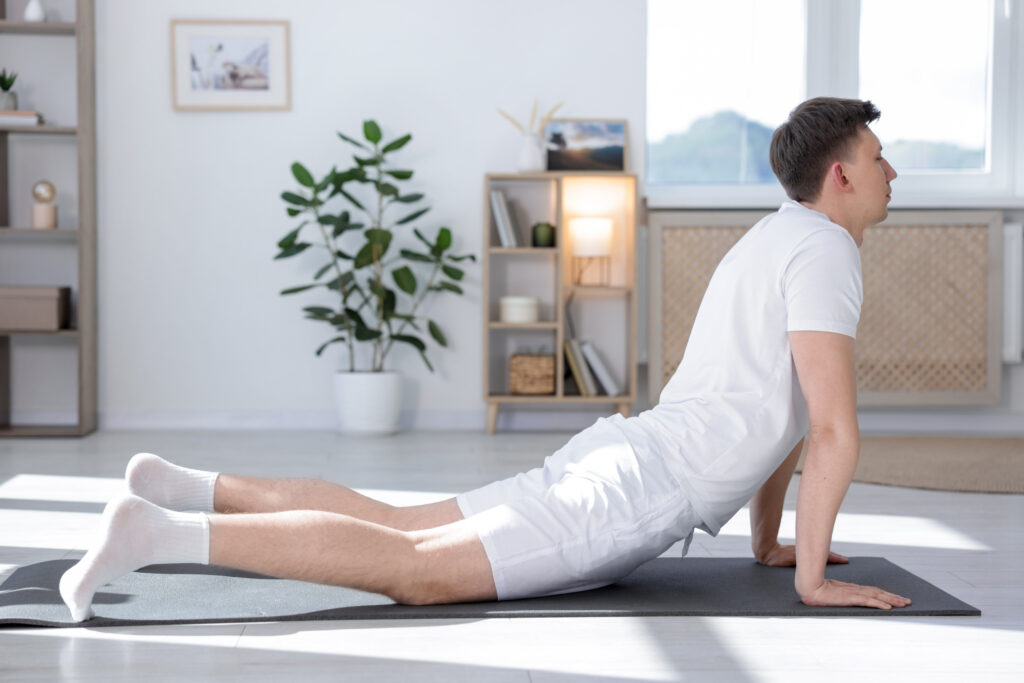
Improving hip, spine, and rib mobility often helps the pelvic floor relax. Simple movement routines support long-term progress.
6. Nervous System Regulation
Stress management techniques help calm the body and reduce the reflexive tightening that contributes to pelvic floor overactivity.
Explore treatment options on our Pelvic Floor Therapy page.
What You Can Do at Home
Here are simple steps that help reduce pelvic tension throughout the day:
- Take brief movement breaks every 30 to 60 minutes
- Practice slow belly breathing
- Avoid holding in your stomach
- Sit with your pelvis neutral instead of tucked
- Stretch your hips and lower back regularly
- Reduce caffeine if it increases tension or urgency
Consistency is more important than intensity. Small, daily habits lead to meaningful change.
Frequently Asked Questions
Can pelvic floor overactivity cause both pain and urinary symptoms?
Yes. Tight pelvic muscles can affect nerves and bladder function at the same time.
Is pelvic floor overactivity the same as prostatitis?
Many men diagnosed with “prostatitis” actually have pelvic floor tension rather than a prostate infection. Symptoms overlap, but the causes and treatments differ.
Can exercise make symptoms worse?
Exercises that increase abdominal pressure or require bracing can aggravate symptoms. We can guide you on which movements to modify.
Do I need a referral?
Most people in Florida do not need a referral to begin pelvic therapy.
How long does it take to improve?
Most men notice changes within a few sessions, especially when exercising at home.
Moving Forward With Confidence
Pelvic floor overactivity can be confusing and frustrating, but once you understand what is happening, treatment becomes much clearer. With the right guidance, the pelvic floor can learn to relax, coordinate, and support your body the way it was meant to.
If you are ready to start feeling better, schedule a free consultation with Davenport Pelvic Therapy. We provide private, expert care for men’s pelvic health from our medical office in Wilton Manors, serving the greater Fort Lauderdale area.