
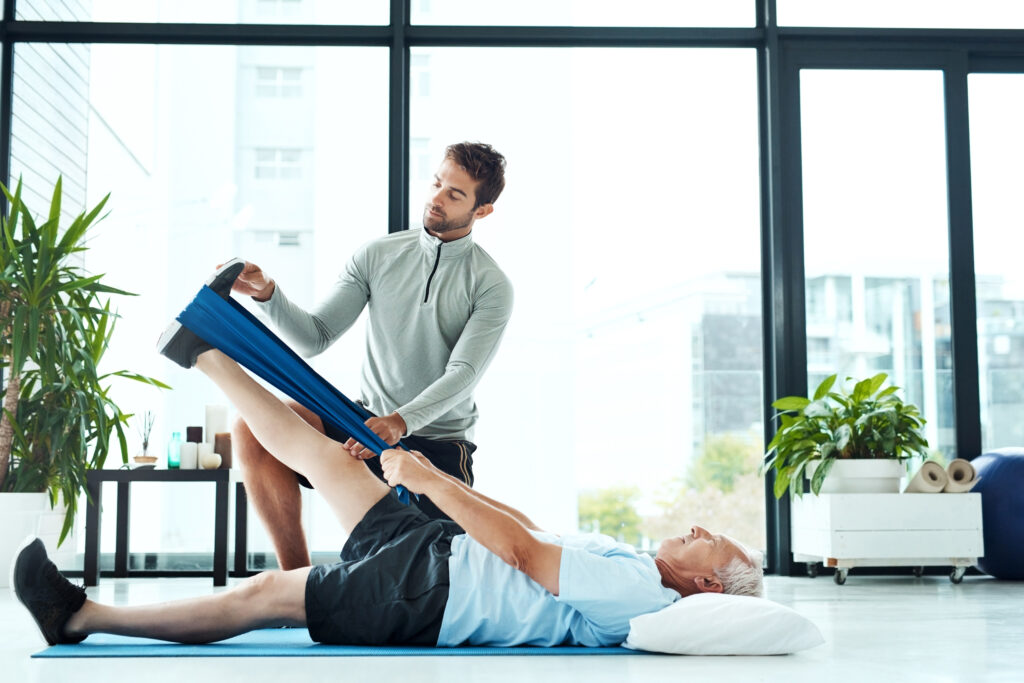
Preparing for prostate surgery involves more than planning for the day of the procedure. You may already be discussing anesthesia, medications, activity restrictions, and follow-up appointments with your medical team. Another conversation worth having is about your pelvic health.
For men scheduled for radical prostatectomy, urinary leakage can be part of the early recovery process. Some patients regain bladder control relatively quickly, while others need more time and additional support.
One option to discuss before surgery is pelvic floor therapy. Learning how to properly activate and relax the muscles involved in urinary control may give you useful skills to carry into rehabilitation.
This does not mean that pre-surgery exercises guarantee a particular outcome. Current urological guidance supports offering this type of preparation, while also noting that research has produced mixed results regarding whether starting before surgery improves long-term continence.
Why Can Urination Change After Prostate Surgery?
The prostate sits below the bladder and surrounds part of the urethra. Removing the prostate can alter the structures involved in keeping urine contained.
As a result, leakage is common during the early period following radical prostatectomy. The severity and duration can vary from one man to another.
The AUA/GURS/SUFU guideline advises clinicians to explain that incontinence is expected in the short term after radical prostatectomy and usually improves substantially during the first year, although some men continue to have symptoms.
Mayo Clinic similarly explains that prostate removal can affect urinary control and that bladder function often improves as healing progresses.
Understanding this possibility before your procedure can make the recovery process feel less unfamiliar.
What Can You Learn Before Surgery?
A pre-surgical pelvic health appointment is not simply about being told to perform Kegels.
A therapist can help you understand how the muscles beneath the pelvis function and determine whether you can contract and release them effectively.
You may learn how to:
- Identify the muscles involved in bladder control
- Perform a controlled contraction
- Let those muscles relax completely
- Coordinate muscle activity with breathing
- Use the muscles during everyday movements
- Follow an individualized home program
The current AUA/GURS/SUFU guideline states that clinicians may offer pelvic floor muscle exercises or training before radical prostatectomy. The guideline notes that studies have used different approaches and that the evidence for a preoperative advantage is not consistent.
That makes individualized instruction especially important. The goal is preparation, not a promise that surgery will not affect bladder control.
Why Might Starting Early Be Useful?
There is a practical advantage to learning these skills before an operation: you can concentrate on technique while you are still feeling well.
After surgery, you may be dealing with a catheter, soreness, fatigue, activity restrictions, and multiple follow-up appointments. Adding a completely unfamiliar exercise routine at that point may feel overwhelming.
Learning beforehand gives you time to understand what a proper contraction feels like and how to release the muscles afterward.
You can also ask questions before surgery, rather than trying to work everything out while recovering.
Is More Exercise Always Better?
No.
One of the most important parts of pelvic rehabilitation is learning how to use the muscles correctly, not simply doing as many repetitions as possible.
Mayo Clinic recommends learning the correct technique for Kegel exercises and discussing them with a healthcare professional when needed.
For some men, the priority may be developing better strength and control. Others may need more attention to coordination or relaxation.
That is why copying an exercise routine from the internet may not be the best approach. A pelvic health professional can assess your current function and help determine what is appropriate.
What Happens During a Pre-Surgery Appointment?
Your first visit will usually begin with a conversation about your upcoming procedure and your current health.
You may be asked about:
- Existing urine leakage
- Urinary urgency or frequency
- Difficulty emptying your bladder
- Bowel habits
- Pelvic discomfort
- Previous pelvic procedures
- Physical activity
- Sexual health concerns
- Your goals for recovery
The physical portion of the visit may look at movement, breathing, posture, and how well you can activate and relax the muscles supporting pelvic function.
Your therapist can then create a plan based on your individual needs.
What Happens After Surgery?
Your surgeon’s instructions should always guide your immediate postoperative care.
Once your medical team determines that it is appropriate, pelvic floor exercises may become part of your rehabilitation. The AUA/GURS/SUFU guideline recommends offering pelvic floor muscle exercises or training during the immediate postoperative period following radical prostatectomy.
The same guideline notes that beginning exercises after catheter removal can shorten the time needed to regain continence for some men, although longer-term continence rates may become similar.
Recovery is therefore not a race. Temporary leakage does not necessarily mean something has gone wrong.
If urinary control remains a concern, your healthcare team can determine whether additional evaluation or treatment is needed.
What If You Already Have Pelvic Pain?
Some men preparing for prostate surgery also experience pelvic discomfort, pressure, or other symptoms that existed before the procedure.
These concerns should be discussed with your healthcare provider rather than automatically attributed to the prostate.
If pelvic pain is part of your situation, Davenport Pelvic Therapy also provides information about shockwave therapy for pelvic pain and how it can support healing and recovery.
Shockwave therapy is not a routine preparation for prostate surgery. Whether it is appropriate depends on the individual’s symptoms and clinical evaluation.
Don’t Forget Sexual Health
Urinary control is only one part of men’s pelvic health.
Prostate surgery can also affect erectile function, and recovery varies considerably between individuals. Mayo Clinic notes that prostatectomy can affect the nerves involved in erections and that recovery may take time.
If sexual function is a concern, bring it up with your surgeon before the operation. Knowing what to expect can help you plan for recovery and understand which concerns should be addressed by your medical team.
Questions to Ask Before Your Procedure
Before surgery, consider asking:
- Should I begin pelvic floor exercises before my procedure?
- Can a pelvic health therapist check my technique?
- When should I restart exercises after surgery?
- What activities should I avoid during early recovery?
- When should I contact my surgeon about continued leakage?
- What should I expect regarding sexual function?
- Would pelvic rehabilitation be appropriate for me?
Having these questions answered ahead of time can make your recovery plan easier to understand.
Prepare Before You Need Rehabilitation
Pelvic floor therapy before prostate surgery cannot guarantee that you will avoid urinary leakage or recover faster.
What it can provide is education, practice, and a better understanding of your own pelvic function before the physical demands of surgery begin.
For men preparing for prostate surgery, that preparation may be worth discussing with both the surgical team and a qualified pelvic health professional.
At Davenport Pelvic Therapy, individualized care can focus on pelvic function, urinary control, muscle coordination, and recovery preparation.
Davenport Pelvic Therapy offers pelvic floor therapy options in Florida, with several locations available for men seeking specialized pelvic health care.
Ready to Prepare for Recovery?
If prostate surgery is approaching, consider discussing your pelvic health before the procedure rather than waiting until recovery has already begun.
Contact Davenport Pelvic Therapy to learn whether a pre-surgical pelvic health evaluation may be appropriate for you and how therapy can complement your surgeon’s recovery plan.