The holiday season is a time for celebration, travel, family gatherings, and packed schedules. But for many men dealing with pelvic pain, prostatitis symptoms, or pelvic floor tension, it can also be one of the most uncomfortable times of the year. Long car rides, unfamiliar beds, disrupted routines, extra stress, and changes in diet can all trigger flare-ups.
The good news is that with a few simple adjustments, you can enjoy the season while keeping pelvic pain under control. At Davenport Pelvic Therapy, we help clients prepare for the holidays every year, and many of the same strategies work for most people. With a little planning and awareness, you can stay comfortable, active, and confident throughout the season.
Why the Holidays Can Trigger Pelvic Pain
Pelvic pain often becomes worse during the holidays because your routines shift. Habits that keep your body balanced during the rest of the year tend to slide during travel or celebrations.
Here are some of the most common triggers:
Longer Periods of Sitting
Whether you are flying, driving, or relaxing at home with family, extra sitting can overload the pelvic floor. Many men notice pain, pressure, or urinary urgency after several hours of staying in one position.
Increased Stress
Holiday stress affects the body more than most people realize. According to the Cleveland Clinic, stress increases muscle tension and can lead to tightness in the pelvis and hips, which often worsens pain and urinary symptoms.
Changes in Diet
More caffeine, alcohol, sugar, and rich foods can irritate the bladder or digestive system, leading to flare-ups for those with prostatitis or pelvic floor dysfunction.
Disrupted Sleep
Sleeping in new environments, sharing space with relatives, or adjusting to new schedules can affect recovery and irritate sensitive muscles.
Less Movement
Busy schedules sometimes mean fewer walks, workouts, or stretches. Movement is essential for blood flow, muscle relaxation, and nervous system regulation.
Recognizing these triggers is the first step to preventing symptoms.
Learn more about pelvic pain triggers on our Pelvic Pain and Prostatitis page.
Tips for Managing Pelvic Pain During the Holidays
Here are some practical and realistic ways to keep pelvic tension under control throughout the season.
1. Plan Movement Breaks
If you will be traveling, try to break up long periods of sitting.
During car rides:
- Stop every hour or two
- Walk for a few minutes
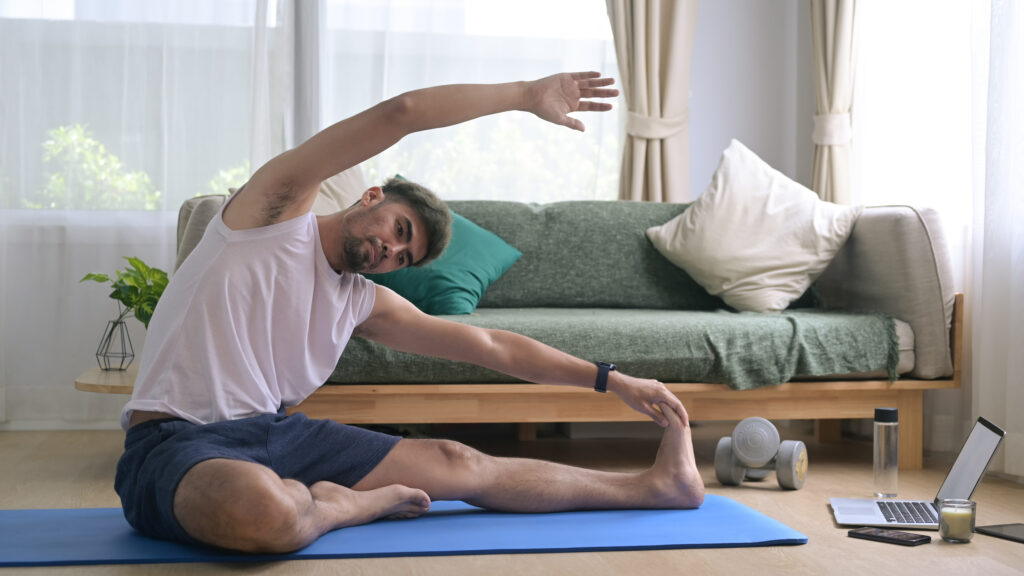
- Gently stretch your hips or lower back
During flights:
- Stand up when you can
- Move your ankles and legs while seated
- Shift positions to reduce pressure
These small movements help keep blood flowing and prevent stiffness.
2. Choose Supportive Seating
Hard chairs, soft sofas, or stadium seating can aggravate pelvic pain. Bring a small cushion, folded jacket, or travel pillow to support your hips and lower back. Adjusting your posture can reduce pelvic pressure significantly.
3. Keep Up With Gentle Breathing Exercises
Breathing affects pelvic floor tension. A few minutes of mindful breathing each day can calm the nervous system and reduce muscle guarding.
Try this simple exercise:
- Sit or lie comfortably
- Rest your hands on your abdomen
- Slowly draw a breath in through your nose, allowing your belly to rise
- Release the breath softly through your mouth
Practicing this in the morning or before bed can make the whole day more comfortable.
4. Be Mindful With Food and Drinks
Holiday meals are often filled with foods that can irritate the bladder or digestive tract. You do not need to avoid everything, but awareness can help prevent flare ups.
Common irritants include:
- Caffeine
- Carbonated drinks
- Alcohol
- Spicy foods
- Chocolate
- Citrus
- Artificial sweeteners
If certain foods have triggered symptoms in the past, consider choosing milder alternatives or having smaller portions.
5. Protect Your Sleep Routine
Good rest helps your muscles relax and repair. Try to stay close to your normal sleep schedule when possible and bring anything that helps you sleep comfortably, such as:
- A supportive pillow
- Earplugs
- Comfortable sleepwear
- A relaxation routine before bed
Quality sleep makes a noticeable difference in pelvic tension the next day.
6. Keep Stress Levels in Check
Holiday stress can tighten the pelvic floor even if you don’t realize it. Try:
- Brief breathing breaks
- Short walks outside
- Saying no to extra commitments
- Taking quiet time when you need it
- Using music or grounding techniques
These simple tools help calm the nervous system, which reduces pelvic sensitivity.
7. Use Heat or Gentle Stretching
Warm baths, heating pads, or a few minutes of stretching can help the pelvic floor relax after a long day. The goal is to improve blood flow and reduce tightness, not force the muscles to stretch deeply.
8. Stay Connected to Your Body
With busy schedules, it’s easy to ignore early signs of tension. If you feel heaviness, pressure, or urinary urgency building, pause and take a moment:
- Adjust your posture
- Stand and walk briefly
- Take a few calming breaths
Listening to your body early often prevents symptoms later.
When to Seek Support During the Holidays
If symptoms become significantly worse or begin to interfere with daily activities, pelvic therapy may help you regain control and comfort. Pelvic floor dysfunction rarely improves by ignoring it. It often responds best to education, manual therapy, and guided strategies from a specialist.
If you are unsure whether what you are experiencing is normal, we can help you sort through your symptoms and explore options.
Learn more about therapy options on our Pelvic Floor Therapy page.
Frequently Asked Questions
Can holiday stress really affect pelvic pain?
Yes. Stress increases muscle tension and can cause the pelvic floor to tighten, leading to discomfort.
Is it normal for sitting to make symptoms worse?
Long periods of sitting often increase pelvic pressure. Movement breaks help reduce tension.
Can pelvic therapy help during flare-ups?
Absolutely. Therapy provides tools, relief strategies, and targeted techniques that calm irritated muscles.
What if symptoms start suddenly during travel?
Short breathing exercises, movement, and heat can reduce symptoms. If pain persists, schedule an evaluation.
Taking Care of Yourself This Holiday Season
You deserve to enjoy the holidays without worrying about pelvic pain holding you back. With a few small adjustments and mindful habits, you can stay comfortable and confident no matter where the season takes you.
If you want personalized strategies or are ready to begin treatment, schedule a free consultation. Davenport Pelvic Therapy provides private, professional care from our medical office in Wilton Manors, serving clients throughout the Fort Lauderdale area.