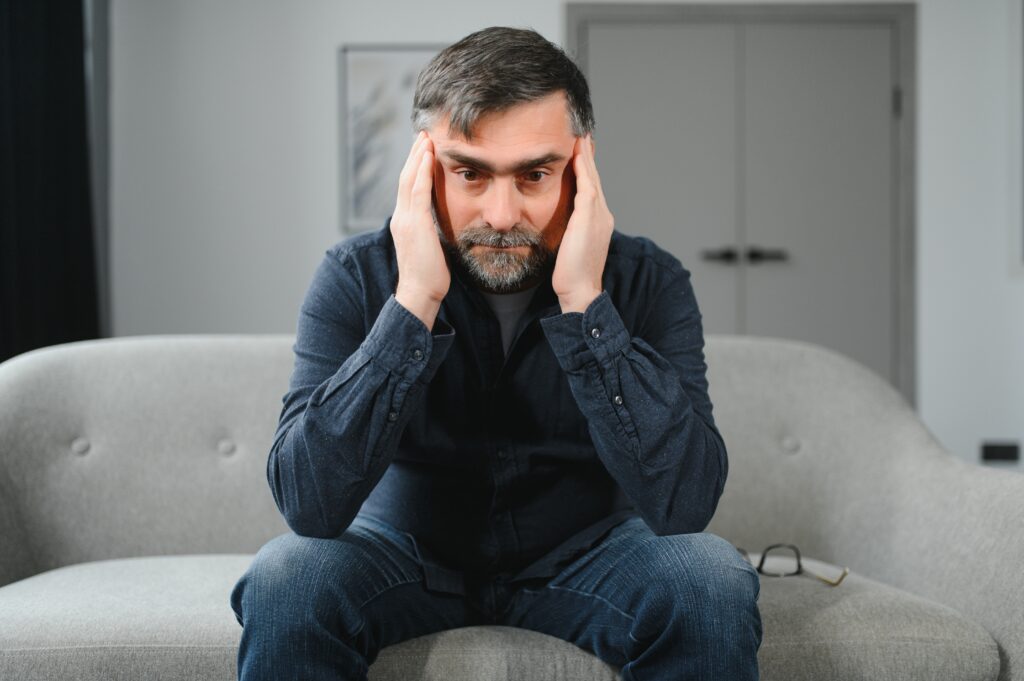
Stress is a common part of daily life, but its effects are not limited to your thoughts or emotions. It can also influence how your body functions, including the muscles in your pelvic region. Many people experiencing pelvic discomfort do not immediately connect their symptoms to stress.
If you have been dealing with pelvic pain, urinary urgency, or tension in your lower abdomen, stress may be playing a role. Understanding this connection can help you take the right steps toward relief and know when to seek pelvic floor therapy in Florida.
What Is the Pelvic Floor?
A network of muscles spans the lower part of the pelvis, creating a supportive foundation for organs like the bladder, bowel, and reproductive system. These muscles also assist with bladder and bowel control, stability, and sexual function.
For the pelvic floor to work properly, it needs to contract and relax at the appropriate times. When this coordination is disrupted, symptoms can begin to develop.
How Your Body Responds to Stress
When you experience stress, your body activates a protective response often referred to as fight or flight. This response is controlled by the nervous system and prepares you to react quickly.
Common physical changes include:
- Muscle tightening
- Faster breathing
- Increased heart rate
While this response is helpful in short situations, ongoing stress can keep your body in a constant state of tension. Over time, this can affect multiple muscle groups, including the pelvic floor.
For more information on how stress affects the body, visit the American Psychological Association.
The Nervous System and Pelvic Floor Connection
The pelvic floor is closely linked to your nervous system. When your body senses stress, it sends signals that can increase muscle activity and tension.
If this response happens repeatedly, the pelvic floor may remain in a guarded or tightened state. This can make it difficult for the muscles to fully relax, even when there is no immediate stressor present.
Over time, this pattern can contribute to discomfort, reduced flexibility, and changes in how the muscles function.
How Stress Affects the Pelvic Floor
Chronic Muscle Tightness
Stress can cause the pelvic floor muscles to stay contracted for long periods. This ongoing tension may lead to discomfort or pain.
Symptoms may include:
- Pelvic pain
- Pressure in the lower abdomen
- Pain with prolonged sitting
Difficulty Relaxing the Muscles
The pelvic floor must relax for normal bowel, bladder, and sexual function. Stress can interfere with this process, making it harder for the muscles to release.
This may result in:
- Pain during intimacy
- Constipation
- A sensation of incomplete emptying
Urinary Urgency and Frequency
Stress can heighten sensitivity in the nervous system, which may affect bladder signaling.
You might notice:
- Frequent urination
- Sudden urges to go
- Feeling like the bladder is not fully empty
Changes in Breathing Patterns
Stress often leads to shallow breathing. This disrupts coordination between the diaphragm and pelvic floor.
When this coordination is affected, it can:
- Increase pressure in the abdomen
- Contribute to pelvic tension
- Worsening symptoms over time
Signs Stress May Be Affecting Your Pelvic Floor
Some common signs include:
- Pelvic pain that increases during stressful periods
- Urinary urgency without a clear cause
- Pain with intimacy
- Constipation
- Lower back, hip, or tailbone discomfort
If these symptoms sound familiar, exploring pelvic therapy options in South Florida may help you better understand what is happening.
Daily Habits That May Be Making Symptoms Worse
Certain everyday habits can unintentionally increase pelvic floor tension, especially when combined with stress.
These include:
- Holding your breath during activities
- Sitting for long periods without movement
- Frequently clenching your abdominal or pelvic muscles
- Ignoring the urge to use the bathroom
Becoming more aware of these habits is an important step toward improving pelvic health.
What You Can Do to Reduce Pelvic Floor Tension
Practice Deep Breathing
Diaphragmatic breathing helps calm the nervous system and encourages the pelvic floor to relax.
- Inhale through your nose and allow your abdomen to expand
- Exhale slowly through your mouth
- Focus on releasing tension in your pelvic area
Stay Active with Gentle Movement
Low-impact movement can help reduce muscle tension and improve circulation.
Examples include:
- Walking
- Stretching
- Yoga
Check for Muscle Clenching
Many people unknowingly hold tension in their pelvic floor during the day.
Take a moment to check:
- Are you tightening your abdomen or pelvis
- Can you consciously relax those muscles
Build Stress Management Into Your Routine
Reducing overall stress levels can have a positive effect on your pelvic floor.
Helpful strategies include:
- Mindfulness or relaxation exercises
- Regular physical activity
- Consistent sleep habits
- Taking breaks during busy days
How Pelvic Floor Therapy Can Help
If symptoms continue, working with a trained provider can help address the root cause.
At Davenport Pelvic Therapy, treatment is tailored to your specific needs and symptoms.
Pelvic floor therapy may include:
- Hands-on techniques to reduce muscle tension
- Breathing and relaxation training
- Education on posture and movement
- Personalized exercise programs
Care is available across several locations in Florida, making it easier to access support.
Supporting Your Pelvic Health Long Term
Taking care of your pelvic floor involves both physical and mental awareness. Addressing stress is an important part of maintaining proper function.
You can also learn more about related symptoms and treatment approaches in our blog post: How Pelvic Floor Therapy Helps with Bladder Control Issues.
Final Thoughts
Stress can influence your pelvic floor in ways that are easy to overlook. Recognizing the connection allows you to take meaningful steps toward relief.
With the right strategies and professional guidance, it is possible to reduce tension, improve function, and feel more comfortable in your body. If you are looking for pelvic floor therapy in Florida, there are options available to support your recovery.
Get Support for Pelvic Floor Symptoms
If stress may be affecting your pelvic floor, you do not have to manage these symptoms on your own. Getting the right guidance can help you better understand what your body is experiencing and how to improve it.
At Davenport Pelvic Therapy, care is designed to address both the physical and stress-related components of pelvic floor dysfunction.
With several locations in Florida, you can access care that is convenient and tailored to your needs.
If you are ready to take the next step, schedule an appointment or learn more about your options.