We often think of stress as something that lives in the mind, but it has very real effects on the body, especially the pelvic floor. For many men, ongoing stress tightens muscles that should relax, disrupts normal breathing patterns, and even contributes to pelvic pain or urinary urgency.
At Davenport Pelvic Therapy, we often see clients whose pelvic pain began during periods of high stress or got worse when life became more demanding. Understanding the connection between your mind, muscles, and nervous system can be the first step to lasting relief.
How the Body Reacts to Stress
When you feel anxious or pressured, your body automatically activates the fight-or-flight response. This releases stress hormones like cortisol and adrenaline, increasing muscle tension and alertness. While this response helps in short bursts, chronic stress keeps the body in a state of constant readiness.
For the pelvic floor, that means muscles can stay partially contracted even when they should be at rest. Over time, this leads to stiffness, pressure, and pain, especially around the lower abdomen, hips, or perineum.
You may notice:
- A constant feeling of tightness in the pelvic area
- Pain that worsens after sitting for long periods
- Changes in bladder or bowel habits during stressful times
- Difficulty relaxing during urination or intimacy
Why Men Are Especially Prone to Stress-Related Pelvic Tension
Many men unconsciously hold tension in their core and pelvic region throughout the day. Whether it’s from working long hours, driving frequently, or managing responsibilities, the muscles that stabilize the pelvis rarely get a chance to relax.
Combine that with shallow breathing or a “suck in your stomach” posture, and you create continuous pressure on the pelvic floor. This pattern can lead to pelvic floor dysfunction, a condition where the muscles are too tight or uncoordinated to function properly.
How Stress Affects Pelvic Pain and Prostatitis
Men diagnosed with chronic prostatitis or pelvic pain syndrome often report that stress triggers flare-ups. While the discomfort feels physical, much of it comes from muscle guarding and nerve sensitivity rather than infection or inflammation.
According to the Cleveland Clinic, stress affects nearly every system of the body, including muscles and nerves. Long-term tension can compress nerves, restrict blood flow, and delay healing—all of which make pelvic pain worse.
This is why pelvic therapy works best when it addresses both physical and emotional patterns of tension.
Learn more about treatment options for pelvic pain on our pelvic pain and prostatitis page.
Signs That Stress Might Be Affecting Your Pelvic Floor
- Pelvic tightness that increases during busy or emotional weeks
- Sudden urinary urgency with no infection
- Lower back or hip pain that flares when you’re anxious
- Difficulty fully relaxing during bathroom use
- Pain or tension after stressful situations
If these sound familiar, pelvic therapy can help retrain your body to respond differently.
How Pelvic Therapy Helps Break the Stress Cycle
At Davenport Pelvic Therapy, our goal is to treat both the muscle mechanics and the stress response behind pelvic dysfunction. Treatment often includes:
- Manual therapy to release tight muscles and fascia in the pelvic and hip region.
- Breathing training to reconnect the diaphragm and pelvic floor for better pressure control.
- Biofeedback therapy to visualize and retrain muscle coordination.
- Education to recognize stress triggers and body cues early.
- Relaxation exercises to reset the nervous system.
Each session builds awareness and control, helping the pelvic floor return to a healthy rhythm of contraction and release.
Learn more about this approach on our pelvic floor therapy page.
Simple Ways to Relieve Pelvic Tension at Home
Even outside the clinic, small changes can make a big difference:
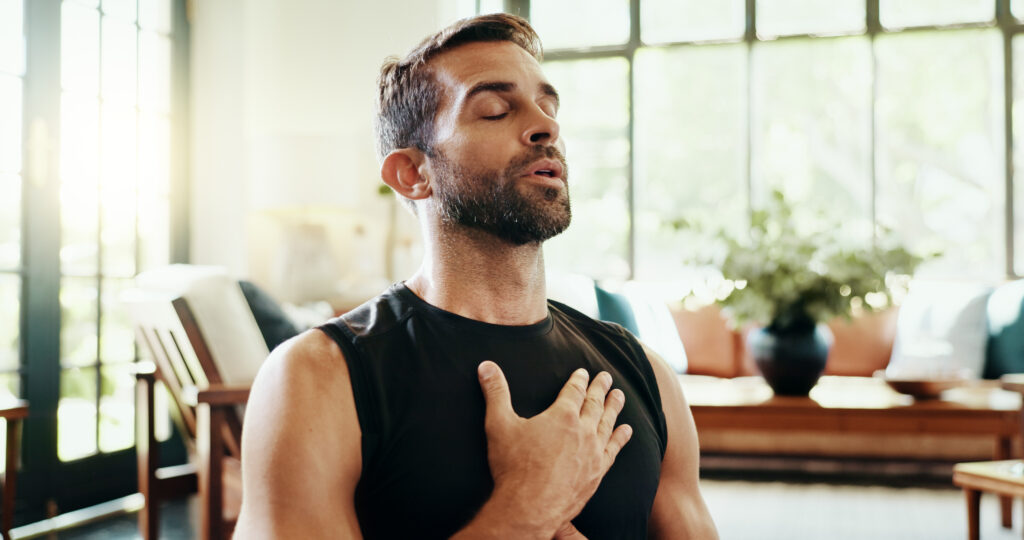
- Practice diaphragmatic breathing: Lie on your back and place one hand on your chest and the other on your stomach. As you inhale, let your belly rise. This encourages the pelvic floor to relax naturally.
- Stretch regularly: Gentle hip, back, and inner thigh stretches can ease tightness around the pelvis.
- Take short movement breaks during long work hours to prevent tension buildup.
- Stay hydrated: Muscles that are well hydrated are less likely to cramp.
- Reduce caffeine and alcohol, which can irritate the bladder.
- Try guided relaxation or mindfulness to lower stress hormones and calm the nervous system.
Consistency matters more than intensity. Practicing small habits every day supports lasting improvement.
Why Addressing Stress Improves Overall Pelvic Health
Reducing stress doesn’t just ease muscle tension, it supports better circulation, nerve health, and hormonal balance. Patients who manage stress often see improvements in:
- Bladder control
- Sexual function
- Core strength
- Posture and breathing
- Overall energy and focus
When your body feels calm, your muscles and nerves can communicate clearly again.
Frequently Asked Questions
Can stress alone cause pelvic pain?
Yes. Chronic stress can tighten pelvic muscles and irritate nearby nerves, even without infection or injury.
Do I need medication for stress-related pelvic pain?
In most cases, physical therapy and relaxation techniques are enough. We can coordinate with your physician if medication or counseling is helpful.
Will pelvic therapy also help my back or hips?
Yes. Because the pelvic floor connects to your core and hips, therapy often reduces tension in those areas as well.
How long does it take to see results?
Most patients notice less tightness and improved bladder control after a few sessions. Consistency and practice at home speed recovery.
Is it normal to feel emotional during therapy?
Absolutely. Stress and tension are stored both physically and emotionally. Releasing those patterns can bring relief and awareness.
Taking the Next Step
Stress and pelvic tension often go hand in hand, but you do not have to live with ongoing discomfort. With focused therapy and mindful daily habits, you can retrain your body to relax and function the way it was designed to.
If you are ready to take the next step toward relief, schedule a free consultation today. Davenport Pelvic Therapy serves clients from Fort Lauderdale, Florida Keys, and Central Florida, offering professional care for men’s pelvic health in a comfortable medical office setting.