Living with chronic pelvic pain can be physically exhausting and emotionally frustrating. For many people, the discomfort affects far more than just one part of the body. It can interfere with work, exercise, relationships, sleep, and everyday activities.
If you’ve tried medications, stretches, or other conservative treatments without lasting relief, you may be wondering what other options are available. One treatment receiving increased attention in rehabilitation and sports medicine is SoftWave therapy. When incorporated into a comprehensive pelvic floor rehabilitation program, SoftWave therapy may help reduce pain, improve tissue healing, and support recovery for certain patients.
Understanding how this treatment works and who may benefit can help you decide whether it is worth discussing with a pelvic health specialist.
Why Chronic Pelvic Pain Can Be Difficult to Treat
Unlike pain caused by a recent injury, chronic pelvic pain often develops from several contributing factors rather than a single problem.
Some people experience persistent muscle tightness, while others may have scar tissue, nerve irritation, connective tissue restrictions, or joint dysfunction. Emotional stress, previous surgeries, childbirth, and prolonged sitting may also contribute to ongoing symptoms.
Because multiple systems are often involved, treatment usually requires more than one approach. While medications may temporarily reduce discomfort, they do not always address the underlying factors contributing to persistent pain.
That is why many pelvic health specialists combine manual therapy, therapeutic exercise, patient education, and advanced treatment techniques to create an individualized plan of care.
What Is SoftWave Therapy?
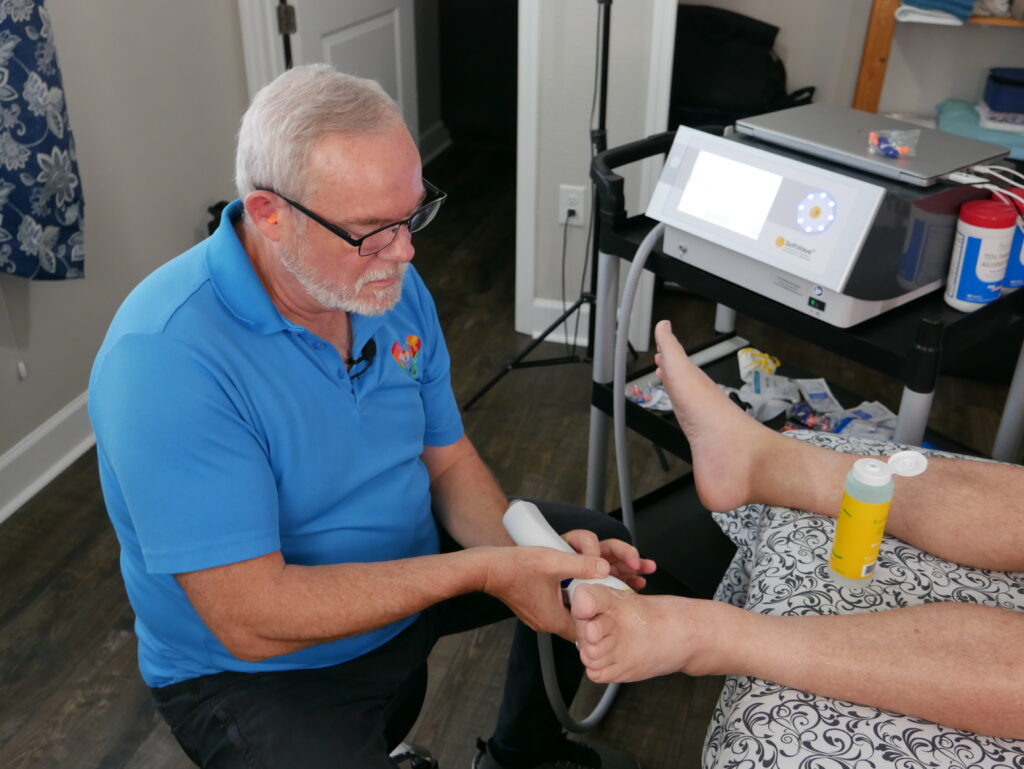
SoftWave therapy, also known as extracorporeal SoftWave therapy (ESWT), uses acoustic energy waves that are delivered to targeted tissues through a handheld device.
Despite its name, there are no electrical shocks involved. Instead, the treatment delivers carefully controlled mechanical energy into the affected area.
Researchers believe these acoustic waves may help stimulate the body’s natural healing response by:
- Improving local blood circulation
- Supporting tissue repair
- Reducing muscle tension
- Encouraging healthy cellular activity
- Helping decrease pain sensitivity in affected tissues
SoftWave therapy has been widely studied for orthopedic conditions such as plantar fasciitis and tennis elbow, and clinicians are increasingly exploring its role in managing certain pelvic health conditions as part of a comprehensive rehabilitation program.
Which Pelvic Conditions May Benefit?
Not every cause of pelvic pain is appropriate for SoftWave therapy, but it may be considered for selected patients after a thorough evaluation.
Depending on your diagnosis and clinical presentation, your provider may recommend SoftWave therapy as part of treatment for:
- Chronic pelvic pain
- Myofascial pelvic pain
- Pelvic muscle tightness
- Scar tissue restrictions
- Certain forms of painful intercourse
- Persistent soft tissue discomfort affecting the pelvic region
SoftWave therapy is not intended to replace pelvic floor physical therapy. Instead, it is often used alongside other evidence-based treatments to improve overall outcomes.
How SoftWave Therapy Complements Pelvic Floor Physical Therapy
Pelvic floor physical therapy addresses movement patterns, muscle coordination, flexibility, breathing mechanics, posture, and strength.
SoftWave therapy may complement these treatments by targeting painful soft tissues that have not responded fully to exercise or manual therapy alone.
A personalized treatment plan may include:
- Manual therapy
- Pelvic floor muscle retraining
- Therapeutic exercises
- Stretching
- Breathing techniques
- Education about bladder and bowel habits
- SoftWave therapy when clinically appropriate
By combining multiple treatment strategies, therapists can address different contributors to chronic pelvic pain rather than focusing on only one source.
What Should You Expect During Treatment?
Your provider will first perform a comprehensive evaluation to determine whether SoftWave therapy is appropriate for your condition.
During treatment:
- A handheld device is applied to the targeted area.
- Acoustic waves are delivered over several minutes.
- Patients often describe the sensation as mild tapping or pulsing.
- Treatment intensity can usually be adjusted for comfort.
Most appointments are relatively brief and are performed in conjunction with other components of your rehabilitation program.
Depending on your diagnosis, several treatment sessions may be recommended.
Is SoftWave Therapy Painful?
Most patients tolerate SoftWave therapy well.
Some areas may feel temporarily tender during treatment, particularly if the tissues are already sensitive. Mild soreness afterward is also possible but typically resolves within a day or two.
Your therapist will adjust treatment based on your symptoms and comfort level throughout each session.
Is There Research Supporting SoftWave Therapy?
Research evaluating SoftWave therapy for musculoskeletal conditions continues to grow, and studies investigating its use in pelvic health are encouraging.
According to the Mayo Clinic, extracorporeal SoftWave therapy has become an established noninvasive treatment for a variety of chronic tendon and soft tissue conditions. Ongoing research continues to evaluate additional applications, including pelvic health.
Although no single treatment works for everyone, current evidence suggests that SoftWave therapy may provide meaningful benefits for appropriately selected patients when incorporated into a comprehensive treatment plan.
Learn More About SoftWave Therapy at Davenport Pelvic Therapy
If you’re interested in learning more about how SoftWave therapy is used as part of pelvic rehabilitation, explore our resource: Discover how SoftWave therapy supports pelvic health and what you can expect during treatment.
This guide explains how the treatment works, the conditions it may help address, and why it is often combined with pelvic floor physical therapy for the best possible outcomes.
When Should You Consider an Evaluation?
If you’ve been living with pelvic pain for months and your symptoms have not improved despite conservative care, it may be time for a more comprehensive assessment.
You should consider scheduling an evaluation if you experience:
- Pelvic pain lasting longer than three months
- Pain while sitting
- Pain during intimacy
- Persistent muscle tightness
- Difficulty returning to exercise
- Symptoms that repeatedly interfere with daily activities
A thorough evaluation helps determine the factors contributing to your symptoms and whether treatments such as SoftWave therapy may be appropriate.
Personalized Pelvic Health Care in Florida
At Davenport Pelvic Therapy, our experienced clinicians provide individualized treatment plans for women and men experiencing chronic pelvic pain and other pelvic health conditions. With several locations throughout Florida, we combine evidence-based therapies with personalized care to help patients improve function, reduce pain, and return to the activities they enjoy.
If you’re ready to explore your treatment options, visit our contact page to find the Davenport Pelvic Therapy location that is most convenient for you.
Finding the Right Path Toward Lasting Relief
Chronic pelvic pain can be complex, but that does not mean effective treatment is out of reach. For some individuals, adding SoftWave therapy to a comprehensive pelvic floor rehabilitation program may provide another opportunity to reduce pain and improve function.
The most important first step is receiving an accurate evaluation from a qualified pelvic health specialist. By identifying the specific factors contributing to your symptoms, your care team can recommend treatments that are appropriate for your individual needs and recovery goals.
If you’re searching for pelvic floor therapy in Florida or pelvic health specialists in South Florida, Davenport Pelvic Therapy is here to help you take the next step toward lasting relief.