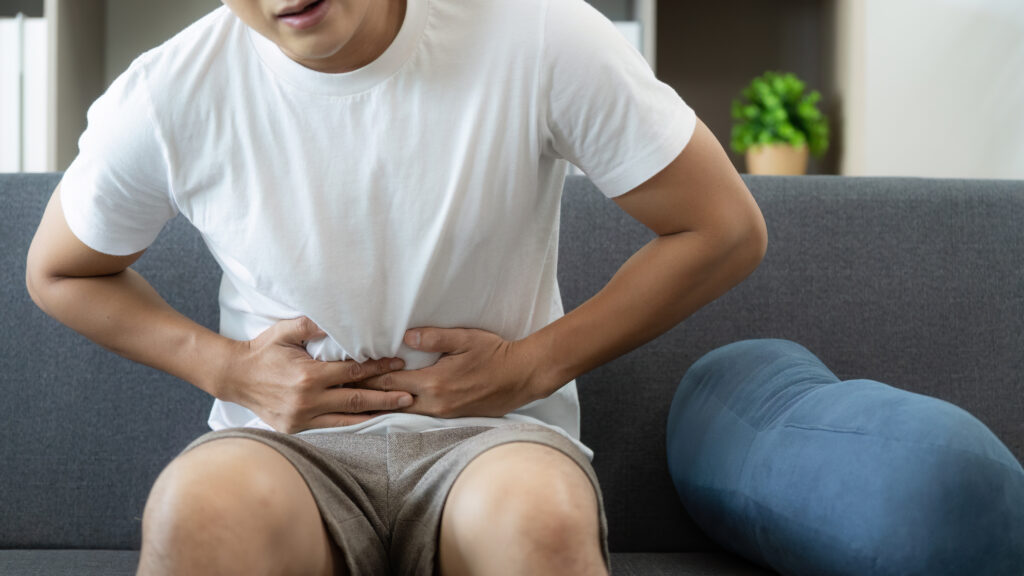
Pelvic pain can be frustrating, especially when it seems to disappear and then return when you least expect it.
You may feel better for several days or even weeks, only to notice discomfort again after a long day at work, a change in exercise, a stressful period, sexual activity, or another change in your routine. When this happens repeatedly, it is natural to wonder what keeps triggering the pain.
Recurring pelvic pain does not always have one obvious explanation.
Different parts of the body can contribute to pelvic symptoms, and sometimes more than one factor is involved. The source may be related to the urinary or digestive systems, reproductive organs, nerves, muscles, connective tissues, or a combination of these areas.
That is why repeated flare-ups are worth paying attention to rather than simply treating each episode as an isolated problem.
What Does Recurring Pelvic Pain Look Like?
Pelvic pain does not feel the same for everyone.
Some people experience a dull ache that gradually builds during the day. Others may notice sharp discomfort, pressure, cramping, burning, or tenderness. The location can vary as well.
Pain may be felt around the:
- Lower abdomen
- Groin
- Hips
- Lower back
- Bladder area
- Genital region
- Rectal or perineal area
It may appear during certain activities or without an obvious trigger.
You may also notice symptoms during urination, bowel movements, sexual activity, prolonged sitting, exercise, or other everyday activities.
Mayo Clinic explains that chronic pelvic pain can occur continuously or intermittently and may have more than one contributing cause.
The pattern matters because it can provide useful information about what may be happening.
Why Can Pelvic Pain Return After It Improves?
Feeling better does not always mean every factor contributing to your symptoms has disappeared.
You may have reduced an activity that was aggravating the area, changed your schedule, rested more, or simply had a period when your symptoms were quieter.
Then your normal routine returns and the discomfort comes back.
This can happen for many reasons.
For example, your symptoms may be influenced by:
- Changes in physical activity
- Long periods of sitting
- Repetitive movements
- Muscle tension
- Stress
- Poor sleep
- Changes in bowel or bladder habits
- Previous injury or surgery
- An underlying medical condition
Sometimes several of these factors overlap.
That is why the question is not always simply, “What caused my pain?”
It can also be useful to ask, “What conditions or habits seem to make my symptoms more likely to return?”
Your Muscles May Be One Piece of the Puzzle
The muscles around the pelvis work alongside the hips, abdomen, back, and other areas of the body during everyday movement.
If those muscles become overly tense, are not coordinating effectively, or are being asked to handle demands they are not accustomed to, discomfort may develop.
For example, you might notice symptoms after:
- Increasing your workout intensity
- Returning to exercise after a break
- Sitting at a desk for several hours
- Driving long distances
- Lifting heavier objects
- Performing repetitive movements
This does not mean that muscle tension is responsible for every case of pelvic pain.
There are many potential causes, and an appropriate evaluation is important before assuming that the muscles are the source.
Your Routine Can Reveal a Pattern
One of the most useful things you can do is look at what happens before a flare.
Imagine that your pelvic pain tends to return after particularly long workdays.
You might start by asking:
How much time am I spending sitting?
Or perhaps symptoms tend to appear after you increase your workouts.
In that case, you might consider:
Did I change the intensity, duration, or type of exercise?
Another person may notice that symptoms become more noticeable during periods of poor sleep or high stress.
These observations do not prove that one habit is causing the pain. They simply give you information that can help you better understand your symptoms.
Stress Can Play a Role in Pain Flares
Stress can affect how you move, sleep, and hold tension in your body.
During demanding periods, you may spend more time sitting, exercise less, sleep poorly, or become more aware of physical discomfort.
You may also notice that you are tightening your abdomen, glutes, shoulders, or other muscles without consciously doing so.
If you already experience pelvic pain, these changes may coincide with a flare.
This does not mean that pelvic pain is “just stress.” Your symptoms are real and deserve appropriate evaluation.
Instead, think of stress as one possible factor that may interact with other physical and lifestyle factors.
Your Sleep May Matter More Than You Think
A recurring pain problem can make it difficult to sleep comfortably.
Unfortunately, poor sleep can then make the following day harder.
You may feel more tired, less active, and less able to handle your usual responsibilities. If your routine changes because you are exhausted, that can introduce another set of factors that may influence your symptoms.
This can create a difficult cycle.
If pelvic pain is interfering with your sleep, mention that during your healthcare appointment. Sleep disruption is important information because it tells your provider how much the symptoms are affecting your quality of life.
Changes in Activity Can Trigger a Flare
A common pattern is doing too much too quickly after a period of feeling better.
For example, you may rest for several days, feel almost normal, and then immediately return to your previous workout schedule.
Or you may have been avoiding a particular movement and suddenly need to perform it repeatedly.
Your body may need time to adjust to changes in physical demand.
That does not mean you should stop exercising or avoid activity altogether. It means that the appropriate amount and type of activity may need to be considered in the context of your symptoms.
If you repeatedly experience pain after a particular activity, discuss it with a healthcare professional or pelvic health therapist.
The Original Cause May Not Be the Only Factor
Sometimes pelvic pain begins after a clear event.
It could follow an injury, surgery, illness, significant change in activity, or another medical event.
But as time passes, other factors may become part of the problem.
You might begin moving differently because you are protecting a painful area. You may become less active. Another muscle group may start doing more work. Your sleep or stress levels may change.
In other words, the event that started the pain may not be the only thing influencing your symptoms today.
That is one reason a current evaluation can be useful even if your pain began a long time ago.
Keep a Simple Record of Your Flares
If your pelvic pain keeps coming back, consider keeping a short symptom journal.
You do not need to document every detail of your day.
Instead, focus on information that may reveal a pattern.
Write down when the pain starts
Note the day and approximate time.
Record what happened beforehand
Were you sitting, exercising, driving, working, sleeping, or engaging in sexual activity?
Describe the sensation
Was it pressure, aching, burning, cramping, sharp pain, or something else?
Note how long it lasts
Did it settle quickly, continue for several hours, or remain into the next day?
Record other symptoms
Did you notice urinary changes, bowel difficulties, or discomfort with sexual activity?
Identify anything that seemed to help
Note whether changing position, resting, or following a healthcare provider’s recommended strategy affected the symptoms.
Over time, these notes may help you recognize patterns that are difficult to see when you are thinking about each flare separately.
What Should You Do When Pain Returns?
A recurring flare can make it tempting to either ignore the symptoms or stop all activity.
Neither response is necessarily appropriate for everyone.
Instead, think about what you know about your symptoms and what your healthcare provider has recommended.
If you have already been evaluated, follow the individualized plan you were given.
If you have not been evaluated, do not assume that recurring pain is harmless simply because you have experienced it before.
Ask yourself what has changed recently.
- Have you increased your exercise?
- Are you sitting more?
- Have you been driving longer?
- Are you sleeping less?
- Has your stress level increased?
- Have your bowel or bladder habits changed?
- Have you started doing an activity that you have not done recently?
These questions may help you identify useful information to bring to an appointment.
When Should You Have Recurring Pelvic Pain Evaluated?
Recurring pain should not simply become something you plan your life around.
Consider speaking with a healthcare professional if your symptoms:
- Keep returning
- Become more intense
- Begin occurring more frequently
- Interfere with sleep
- Affect your ability to exercise
- Make work or daily activities difficult
- Affect sexual activity
- Occur alongside urinary or bowel changes
New or worsening pelvic pain also deserves medical attention.
Sudden and severe pelvic pain can require urgent evaluation, so it should not automatically be treated as another routine flare.
The purpose of an evaluation is to determine what may be contributing to the symptoms and whether additional testing or treatment is needed.
What Role Can Pelvic Floor Therapy Play?
If an evaluation indicates that the muscles or movement patterns around the pelvis may be contributing to your symptoms, pelvic floor therapy may be considered as part of your care.
The treatment approach should depend on what the evaluation shows.
For one person, the focus may be on reducing excessive muscle tension. Another person may need help with coordination, mobility, strength, or returning to activity after an injury.
Pelvic therapy is not simply about doing more strengthening exercises.
The goal is to understand how the pelvic region is functioning and determine which strategies are appropriate for your particular symptoms.
Davenport Pelvic Therapy provides specialized pelvic therapy for concerns including pelvic pain and related pelvic health conditions. Learn more about pelvic floor therapy in Orlando, Florida to explore available care options.
What If You Have Already Tried Treatment?
It can be discouraging when pain returns after you have already tried to address it.
If symptoms continue, that does not necessarily mean that nothing can help.
It may be worth revisiting your symptoms with your healthcare provider and discussing whether additional factors should be considered.
You can ask:
- Has the possible source of my pain been identified?
- Could more than one factor be involved?
- Are certain activities contributing to my flares?
- Could muscle tension or coordination be part of the problem?
- Have my symptoms changed since my last evaluation?
- Would a different type of treatment be appropriate?
Pelvic pain can change over time. Your care may need to change with it.
Don’t Let Recurring Pain Become Your Normal
It is easy to adapt your life around pain when you have experienced it repeatedly.
You may stop taking long drives. You may avoid certain exercises. You may plan every outing around access to a comfortable place to sit. You may become hesitant about intimacy or other activities you once enjoyed.
Those adaptations can gradually become part of your normal routine.
But recurring pelvic pain is worth discussing when it starts limiting the way you live.
You deserve to understand what may be contributing to your symptoms and what options may be available.
Look for Patterns, Then Get the Right Support
There may not always be one obvious reason why pelvic pain keeps coming back.
Your symptoms may be influenced by physical activity, muscle function, stress, sleep, previous injuries, medical conditions, or several factors at once.
Paying attention to patterns can help you communicate more clearly with your healthcare provider.
If pelvic muscle function or movement appears to be part of the problem, specialized pelvic health therapy may be an appropriate part of your care plan.
For those searching for pelvic floor therapy options in Florida or pelvic health specialists in South Florida, Davenport Pelvic Therapy provides care at several Florida locations.
Contact Davenport Pelvic Therapy to learn more about available locations and care options.