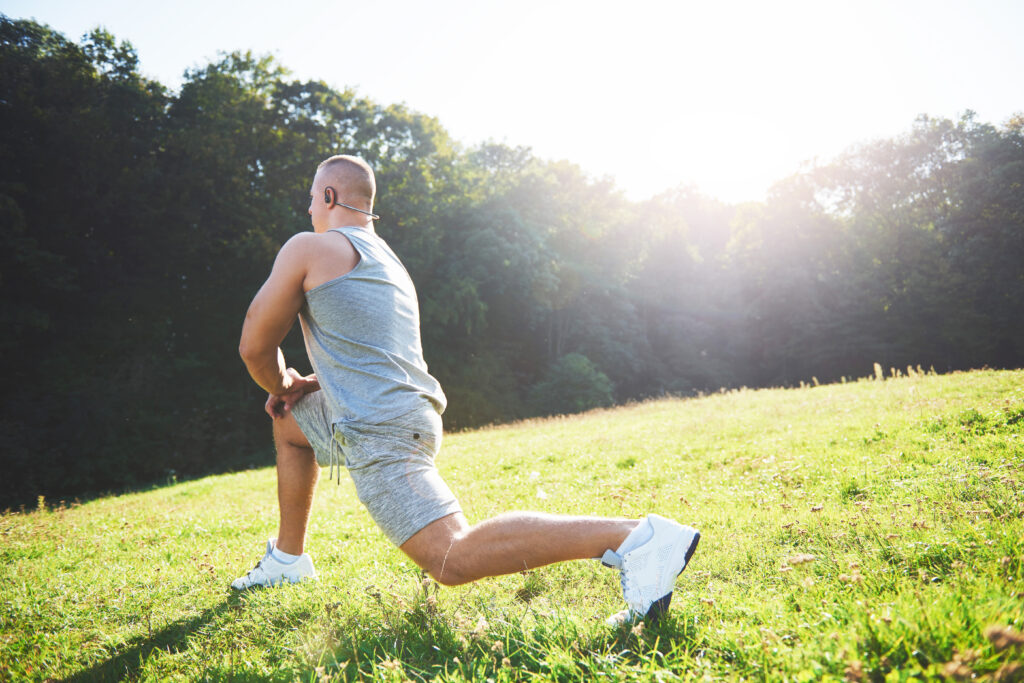
As summer arrives in Florida, many people become more active with outdoor workouts, beach walks, recreational sports, and fitness routines. However, returning to exercise after pelvic pain or injury requires careful attention to the body’s movement patterns, muscle coordination, and recovery process.
Whether recovering from chronic pelvic pain, postpartum symptoms, surgery, or a musculoskeletal injury, rushing back into activity too quickly may worsen discomfort and delay healing.
A gradual and individualized approach can help patients rebuild strength, improve mobility, and reduce the risk of symptom flare-ups.
For individuals looking for pelvic therapy options in South Florida, pelvic floor therapy may provide valuable support during the recovery and return-to-exercise process.
Understanding the Role of the Pelvic Floor During Exercise
The pelvic floor is a group of muscles located at the base of the pelvis that help support:
- Bladder function
- Bowel function
- Sexual health
- Core stability
- Posture and balance
These muscles work closely with:
- The abdominal muscles
- Hips and glutes
- Lower back
- Diaphragm
During physical activity, the pelvic floor helps manage pressure throughout the body while supporting movement efficiency and stability.
When pelvic floor dysfunction is present, exercise may become uncomfortable or difficult.
Common Symptoms That May Affect Exercise
Pelvic floor dysfunction can affect both men and women and may contribute to symptoms such as:
- Pelvic pressure
- Hip pain
- Tailbone discomfort
- Urinary leakage
- Urinary urgency
- Groin pain
- Lower abdominal tension
- Pain during running or lifting
- Pain with prolonged activity
Some individuals may also notice symptoms after:
- Childbirth
- Surgery
- Sports injuries
- Heavy lifting
- Chronic low back pain
- High-impact training
Ignoring these symptoms may lead to ongoing compensation patterns and increased muscular strain over time.
Why Returning Too Quickly Can Cause Setbacks
After pain or injury, many people attempt to resume previous exercise levels immediately. Unfortunately, the body may not yet be ready for the same level of stress or impact.
Returning too aggressively may contribute to:
- Increased pelvic tension
- Muscle overcompensation
- Poor breathing mechanics
- Hip and core instability
- Symptom flare-ups
- Delayed recovery
According to the Cleveland Clinic, pelvic floor dysfunction can affect muscle coordination, bladder control, and physical comfort during movement and activity.
A gradual progression often allows the body to rebuild strength more safely.
Signs Your Body May Not Be Ready for Certain Exercises
Some discomfort during recovery can be normal, but persistent or worsening symptoms may indicate the need for further evaluation.
Warning signs may include:
- Pelvic heaviness or pressure
- Urinary leakage during exercise
- Pain during running or jumping
- Increased pelvic pain after workouts
- Hip or tailbone discomfort
- Difficulty engaging core muscles
- Lower abdominal pain during movement
These symptoms should not simply be ignored or pushed through.
Tips for Returning to Exercise Safely
Start Gradually
Returning to exercise slowly allows the muscles and connective tissues time to adapt.
Many patients benefit from beginning with:
- Walking
- Gentle stretching
- Low-impact strengthening
- Mobility exercises
- Controlled breathing work
Progression should depend on symptom response rather than strict timelines.
Focus on Breathing and Core Coordination
Breathing mechanics play an important role in pelvic floor function.
Holding the breath during exercise may increase pressure on the pelvic floor and contribute to muscular strain.
Pelvic floor therapists often help patients improve:
- Diaphragmatic breathing
- Core engagement
- Pressure management
- Movement coordination
These foundational skills may help support safer movement patterns during exercise.
Modify High-Impact Activities
Running, jumping, and heavy lifting place increased demand on the pelvic floor and surrounding structures.
Temporary modifications may help reduce stress while recovery continues.
Examples may include:
- Lower-impact cardio
- Reduced workout intensity
- Shorter activity duration
- Gradual return to resistance training
Individual recommendations vary based on symptoms and physical condition.
Pay Attention to Recovery
Recovery is just as important as exercise itself.
Helpful recovery strategies may include:
- Adequate hydration
- Sleep
- Stretching
- Rest days
- Heat or ice when appropriate
- Stress management
Overtraining may increase muscle tension and contribute to symptom recurrence.
Pelvic Floor Therapy and Exercise Recovery
Pelvic floor therapy focuses on identifying the root causes contributing to dysfunction and movement limitations.
Treatment may include:
- Pelvic floor muscle assessment
- Core coordination training
- Manual therapy
- Mobility exercises
- Movement retraining
- Postural education
- Exercise progression guidance
This individualized approach may help patients improve confidence and comfort while returning to activity.
Can Shockwave Therapy Support Recovery?
For some patients, conservative regenerative-focused therapies may also be incorporated into treatment plans depending on symptoms and clinical findings.
Shockwave therapy is being explored as one potential option for certain musculoskeletal and pelvic conditions involving chronic pain or soft tissue dysfunction.
Patients who want to learn more can check out Davenport Pelvic Therapy’s educational resource here: Shockwave Therapy for Pelvic Pain: What to Expect and Who It Helps
Treatment recommendations should always be individualized and guided by qualified healthcare professionals.
Summer Activities That May Benefit From Pelvic Health Support
Some common summer activities that may aggravate pelvic symptoms include:
- Running
- Beach volleyball
- Cycling
- Tennis
- Weightlifting
- Long walks
- Swimming
- High-intensity interval training
Patients often benefit from learning how to modify activities while maintaining movement and fitness goals.
When to Seek Professional Help
You may benefit from pelvic floor therapy if you experience:
- Pain during exercise
- Persistent pelvic pressure
- Urinary leakage with activity
- Hip or tailbone pain
- Difficulty returning to workouts after injury
- Ongoing muscle tightness
- Core weakness after surgery or childbirth
Early intervention may help improve recovery outcomes and reduce the risk of chronic symptoms.
Pelvic Floor Therapy in Florida
Returning to exercise after pelvic pain or injury does not have to feel overwhelming. With proper guidance, many individuals can safely rebuild strength, mobility, and confidence while reducing the likelihood of symptom flare-ups.
Davenport Pelvic Therapy provides pelvic floor therapy in Florida with several locations throughout the state. Their team works with both men and women experiencing pelvic pain, bladder dysfunction, movement limitations, and exercise-related pelvic health concerns.
Patients searching for pelvic health specialists in South Florida can learn more or request an appointment through the contact page: Davenport Pelvic Therapy Contact Page