
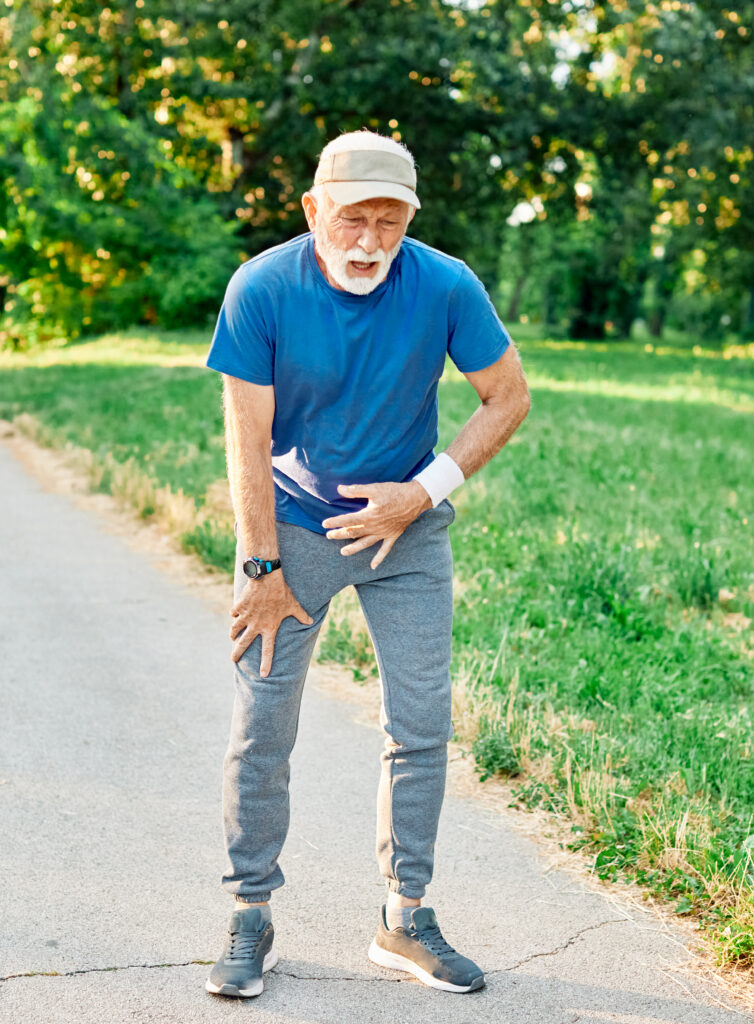
Florida’s warm climate allows many residents to enjoy outdoor activities year-round, but heat and humidity can also create unique challenges for people dealing with pelvic floor dysfunction. During the summer months especially, some individuals notice increased pelvic discomfort, bladder irritation, fatigue, or muscle tension that seems harder to manage.
While heat itself does not directly cause pelvic floor dysfunction, environmental factors associated with high temperatures and humidity may contribute to symptom flare-ups in some patients.
Understanding how Florida’s climate can affect the body may help individuals take proactive steps to better manage pelvic health symptoms throughout the year.
For those searching for pelvic therapy options in South Florida, pelvic floor therapy may help address many of the underlying muscular and functional issues contributing to discomfort.
How Heat and Humidity Affect the Body
The body works continuously to regulate temperature during hot and humid conditions. In Florida, elevated humidity levels can make it harder for the body to cool itself efficiently through sweating.
As a result, people may experience:
- Dehydration
- Muscle fatigue
- Increased inflammation sensitivity
- Reduced energy levels
- Changes in circulation
- Increased physical stress
For individuals already managing pelvic floor dysfunction, these stressors may contribute to worsening symptoms.
According to the Mayo Clinic, prolonged exposure to heat and dehydration can affect muscle function, circulation, and overall physical well-being.
Why Pelvic Floor Symptoms May Increase During Florida Summers
The pelvic floor muscles are sensitive to stress, hydration levels, posture, activity changes, and muscular tension throughout the body.
During periods of extreme heat and humidity, several common issues may contribute to pelvic symptom flare-ups.
Dehydration and Bladder Irritation
Many people unintentionally become dehydrated during hot weather. Some may also reduce water intake to avoid frequent bathroom trips while outdoors or traveling.
Unfortunately, dehydration can sometimes worsen:
- Bladder urgency
- Urinary frequency
- Bladder irritation
- Pelvic muscle tension
Concentrated urine may irritate sensitive bladder tissues, particularly in individuals with pelvic floor dysfunction or bladder-related conditions.
Increased Muscle Tension
Heat-related fatigue can alter posture and movement patterns, placing extra strain on the hips, lower back, and pelvic floor muscles.
Some individuals may unconsciously tighten pelvic muscles when experiencing discomfort, stress, or fatigue, leading to:
- Pelvic pressure
- Tailbone pain
- Groin discomfort
- Hip tightness
- Lower abdominal tension
Muscle guarding patterns can become more noticeable during physically demanding summer activities.
Changes in Exercise and Activity Levels
Florida summers often involve:
- Increased walking
- Beach activities
- Travel
- Outdoor workouts
- Sports participation
While staying active is beneficial for overall health, sudden increases in physical activity may aggravate underlying pelvic dysfunction if the body is not adequately conditioned or recovering properly.
High-impact activities and prolonged standing may also contribute to symptom flare-ups in some individuals.
Common Pelvic Symptoms That May Feel Worse in Heat
Patients experiencing pelvic floor dysfunction may notice increased:
- Urinary urgency
- Bladder pressure
- Pelvic heaviness
- Hip pain
- Tailbone discomfort
- Constipation
- Pelvic muscle tightness
- Pain with prolonged sitting or activity
Both men and women can experience these symptoms, and severity often varies depending on hydration, activity levels, stress, and underlying conditions.
Conditions Commonly Affected by Heat and Humidity
Overactive Bladder Symptoms
Heat-related dehydration may contribute to bladder irritation and urinary urgency.
Some individuals may notice:
- Increased frequency
- More nighttime urination
- Heightened bladder sensitivity
- Difficulty delaying urination
Chronic Pelvic Pain
Patients with chronic pelvic pain conditions may be more sensitive to physical stress and muscle fatigue during extreme weather conditions.
Environmental stressors can sometimes increase nervous system sensitivity, contributing to pain flare-ups.
Constipation and Pelvic Floor Dysfunction
Travel, dehydration, and dietary changes during summer months may contribute to constipation, which can place additional pressure on the pelvic floor muscles.
Straining during bowel movements may worsen muscular tension and discomfort.
Tips for Managing Pelvic Symptoms During Florida Summers
While every individual is different, several strategies may help reduce symptom flare-ups during hot weather.
Prioritize Hydration
Consistent hydration supports:
- Bladder health
- Muscle function
- Circulation
- Digestive health
Try to increase water intake during:
- Outdoor activities
- Exercise
- Beach outings
- Travel days
Hydration needs vary by individual activity level and medical history.
Take Breaks During Outdoor Activities
Extended heat exposure may increase muscle fatigue and pelvic discomfort.
When possible:
- Rest in shaded or air-conditioned spaces
- Avoid prolonged sitting in hot environments
- Take movement breaks during long outings
Wear Supportive and Breathable Clothing
Tight clothing and excessive heat retention may contribute to pelvic discomfort in some individuals.
Lightweight, breathable fabrics may help improve comfort during summer activities.
Maintain Gentle Mobility
Stretching and movement may help reduce muscular tension throughout the hips, pelvis, and lower back.
Some patients benefit from:
- Walking
- Gentle mobility exercises
- Diaphragmatic breathing
- Pelvic floor relaxation techniques
A pelvic floor physical therapist can recommend exercises appropriate for your symptoms and activity level.
How Pelvic Floor Therapy May Help
Pelvic floor therapy focuses on identifying and treating the muscular, postural, and movement-related factors contributing to symptoms.
Treatment may include:
- Pelvic floor muscle assessment
- Breathing coordination training
- Mobility exercises
- Manual therapy
- Bladder habit education
- Core and posture retraining
For some individuals, advanced conservative treatment approaches may also be discussed as part of a broader care plan.
Patients interested in learning more about shockwave therapy and pelvic health can explore Davenport Pelvic Therapy’s educational resource here: Is Shockwave Therapy Right for You? A Practical Guide for Men Exploring Pelvic Health Options.
When to Seek Professional Support
Occasional discomfort during hot weather may be common, but ongoing pelvic symptoms should not be ignored.
You may benefit from pelvic floor therapy if you experience:
- Persistent pelvic pressure
- Urinary urgency or leakage
- Hip or tailbone pain
- Pelvic discomfort during exercise
- Chronic constipation-related pelvic tension
- Pain with prolonged sitting
Early intervention may help improve comfort, mobility, and overall quality of life.
Pelvic Therapy Options in South Florida
Living in Florida’s climate can place additional stress on the body, especially for individuals already dealing with pelvic floor dysfunction. Understanding how heat and humidity may influence symptoms can help patients make informed decisions about hydration, activity, and pelvic health management.
Davenport Pelvic Therapy provides pelvic floor therapy in Florida with several locations available throughout the state. Their team works with both men and women experiencing pelvic pain, bladder dysfunction, movement limitations, and sexual health concerns.
Patients searching for pelvic health specialists in South Florida can learn more or request an appointment through the contact page: Davenport Pelvic Therapy Contact Page