
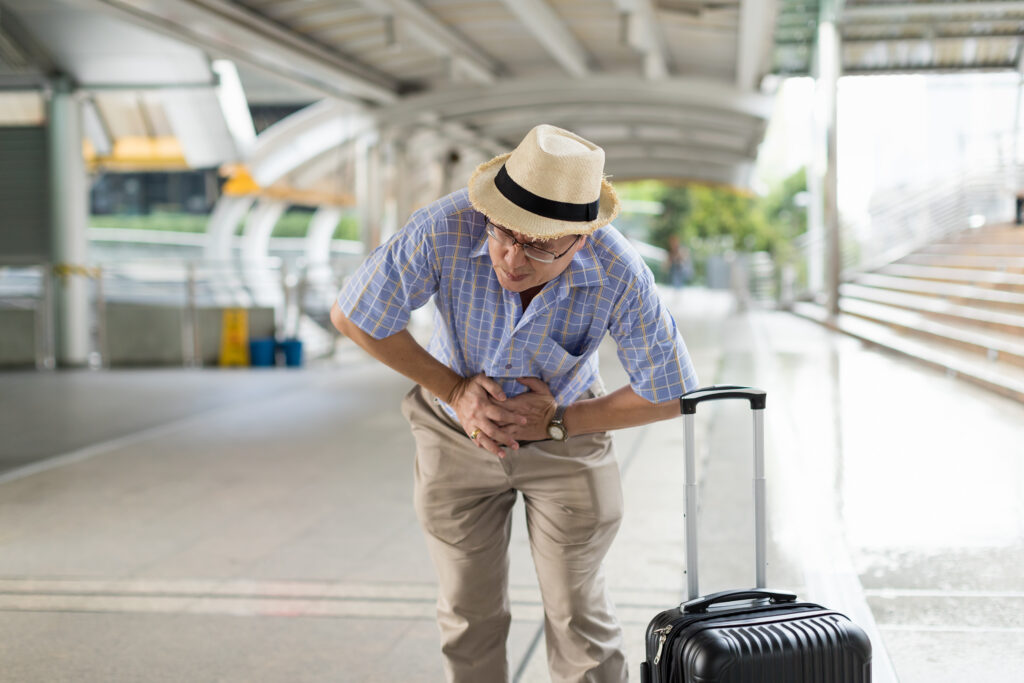
Summer travel can be exciting, but for people living with pelvic pain, long car rides and flights may quickly become uncomfortable. Sitting for extended periods, changes in routine, dehydration, and stress on the body can all contribute to worsening pelvic symptoms during travel.
Whether you are planning a Florida road trip or flying across the country, preparing ahead of time can help reduce discomfort and make travel more manageable. Understanding how pelvic floor health affects your body during long trips is an important step toward staying active and enjoying summer plans with greater confidence.
For individuals looking for pelvic therapy options in South Florida, pelvic floor therapy may help address many of the underlying causes of travel-related pelvic discomfort.
Why Long Trips Can Trigger Pelvic Pain
The pelvic floor is a group of muscles that supports the bladder, bowel, and reproductive organs. These muscles also play a role in posture, stability, bowel and bladder function, and sexual health.
During long trips, several factors may place extra stress on the pelvic floor, including:
- Sitting for prolonged periods
- Poor posture in car or airplane seats
- Limited movement
- Increased muscle tension
- Dehydration
- Constipation from travel disruptions
- Stress and anxiety related to traveling
For some individuals, these factors may increase symptoms such as:
- Pelvic pressure
- Tailbone pain
- Hip or low back discomfort
- Urinary urgency
- Bladder irritation
- Pain with sitting
- Pelvic muscle tightness
Patients with conditions such as pelvic floor dysfunction, interstitial cystitis, endometriosis, pudendal neuralgia, or chronic pelvic pain may notice symptoms become more intense during travel.
How Sitting for Long Periods Affects the Pelvic Floor
Extended sitting places direct pressure on the muscles and connective tissues surrounding the pelvis. Over time, this pressure may contribute to muscle guarding, reduced circulation, and increased nerve sensitivity.
According to the Mayo Clinic, prolonged sitting can negatively affect circulation, muscle health, and overall physical comfort.
For people already experiencing pelvic dysfunction, hours spent sitting in one position may worsen symptoms significantly.
This is especially common during:
- Long-distance driving
- Air travel
- Cruise travel
- Multi-day road trips
- Extended airport waiting periods
Tips for Staying Comfortable During Summer Travel
While every patient’s symptoms are different, several strategies may help reduce pelvic discomfort during long trips.
1. Take Frequent Movement Breaks
Movement is one of the most effective ways to reduce pelvic tension during travel.
If driving, try to stop every 1 to 2 hours to:
- Walk briefly
- Stretch the hips and lower back
- Change positions
- Improve circulation
If flying, stand up periodically and walk the aisle when safe to do so.
Gentle movement may help reduce muscle stiffness and decrease pressure on sensitive pelvic structures.
2. Use Supportive Seating
Travel seats are not always designed for pelvic comfort. Adding support can help improve posture and reduce pressure.
Helpful options may include:
- Lumbar support cushions
- Pelvic support cushions
- Rolled towels for low back support
- Seat wedges designed to reduce tailbone pressure
Patients with tailbone pain or pudendal nerve irritation may benefit from cushions that reduce direct pressure on sensitive areas.
3. Stay Hydrated During Travel
Many travelers intentionally drink less water to avoid bathroom stops. Unfortunately, dehydration may irritate the bladder and contribute to constipation, both of which can worsen pelvic symptoms.
Proper hydration may help:
- Support bladder health
- Improve bowel function
- Reduce muscle cramping
- Maintain circulation
During Florida summers, hydration becomes even more important because heat and humidity increase fluid loss.
4. Avoid Holding Your Bladder for Long Periods
Delaying urination for extended periods may increase pelvic floor tension and bladder irritation.
Whenever possible:
- Use rest stops regularly
- Avoid “just in case” bathroom habits
- Try not to strain during urination
Healthy bladder habits can help reduce unnecessary stress on the pelvic floor muscles during travel.
5. Stretch Before and After Your Trip
Gentle stretching may help prepare the body for prolonged sitting.
Focus areas may include:
- Hip flexors
- Glutes
- Hamstrings
- Lower back
- Diaphragmatic breathing exercises
A pelvic floor physical therapist can also recommend individualized mobility exercises based on your symptoms and travel plans.
Planning Ahead Can Make Travel Easier
Preparing before a long trip may help minimize flare-ups and reduce anxiety around traveling with pelvic pain.
Consider:
- Packing supportive cushions
- Scheduling movement breaks ahead of time
- Wearing comfortable clothing
- Bringing medications or symptom management tools
- Researching rest stop locations before driving
Some patients also benefit from scheduling pelvic floor therapy sessions before or after travel to help manage symptoms proactively.
When to Seek Pelvic Floor Therapy
Occasional discomfort during travel can be common, but persistent pelvic pain should not be ignored.
You may benefit from pelvic floor therapy if you experience:
- Ongoing pelvic pain during sitting
- Bladder urgency or frequency
- Pain with travel or exercise
- Tailbone discomfort
- Pelvic pressure
- Hip or low back pain related to pelvic tension
Pelvic floor therapy focuses on identifying the root causes of dysfunction and creating individualized treatment plans designed to improve mobility, reduce tension, and support long-term pelvic health.
For some patients, advanced conservative treatments may also be recommended as part of a broader care plan. Individuals interested in learning more about shockwave therapy and pelvic health can explore Davenport Pelvic Therapy’s resource here: Exploring the Benefits of Shockwave Therapy for Pelvic Health.
Pelvic Therapy Options in South Florida
Travel should not feel impossible because of pelvic pain. With proper preparation and support, many individuals can travel more comfortably and confidently during the summer months.
Patients searching for pelvic health specialists in South Florida can learn more or request an appointment through the contact page: Davenport Pelvic Therapy Contact Page.
Taking steps to care for your pelvic health before travel may help you stay active, comfortable, and better prepared to enjoy your summer plans.