Summer travel season is right around the corner, and for many people, that means long car rides, extended flights, and hours spent sitting. While vacations are meant to be relaxing and enjoyable, long periods of sitting and disrupted routines can take a toll on your body, especially your pelvic floor.
If you have ever experienced increased pelvic discomfort, bladder urgency, or lower back pain during or after a trip, you are not alone. Travel can place added stress on the muscles that support your bladder, bowel, and core stability.
The good news is that with a little preparation, you can protect your body and enjoy your trip without unnecessary discomfort. Here is how to support your pelvic health before, during, and after long travel days.
Why Travel Can Affect Your Pelvic Health
Prolonged Sitting and Muscle Tension
Whether you are driving or flying, sitting for long periods can place pressure on the pelvic region. This can lead to tightness in the pelvic floor muscles and reduced circulation.
Common effects include:
- Pelvic pressure or aching
- Lower back stiffness
- Increased muscle tension
Over time, this can contribute to discomfort and even flare-ups of existing pelvic conditions.
Changes in Bathroom Habits
Travel often disrupts your normal routine. You may delay bathroom breaks, drink less water, or consume more bladder irritants like coffee or soda.
These changes can lead to:
- Bladder urgency
- Constipation
- Increased pelvic strain
According to the Cleveland Clinic, holding urine for long periods and dehydration can negatively affect bladder health and contribute to pelvic discomfort.
Heavy Lifting and Strain
Handling luggage, especially in airports or hotels, can put unexpected strain on your core and pelvic floor muscles.
Improper lifting may:
- Increase pelvic pressure
- Trigger pain
- Worsen existing symptoms
How to Prepare Before Your Trip
Build Strength and Flexibility
Preparing your body ahead of time can make a big difference.
Focus on:
- Gentle core strengthening
- Pelvic floor coordination
- Hip and lower back mobility
If you are unsure which exercises are safe, pelvic floor therapy in Florida can provide a personalized plan tailored to your needs.
Plan Your Hydration Strategy
Staying hydrated is essential, even when traveling.
Before your trip:
- Start increasing water intake
- Reduce caffeine and alcohol
- Pack a reusable water bottle
Proper hydration helps prevent muscle tightness and supports bladder health.
Schedule Preventive Care
If you already experience pelvic discomfort, scheduling a visit with pelvic health specialists in South Florida before your trip can help you travel more comfortably.
Early intervention can:
- Reduce the risk of flare-ups
- Improve muscle function
- Provide techniques to manage symptoms on the go
Pelvic Health Tips During Long Trips
Take Movement Breaks
One of the most important things you can do is move regularly.
Try to:
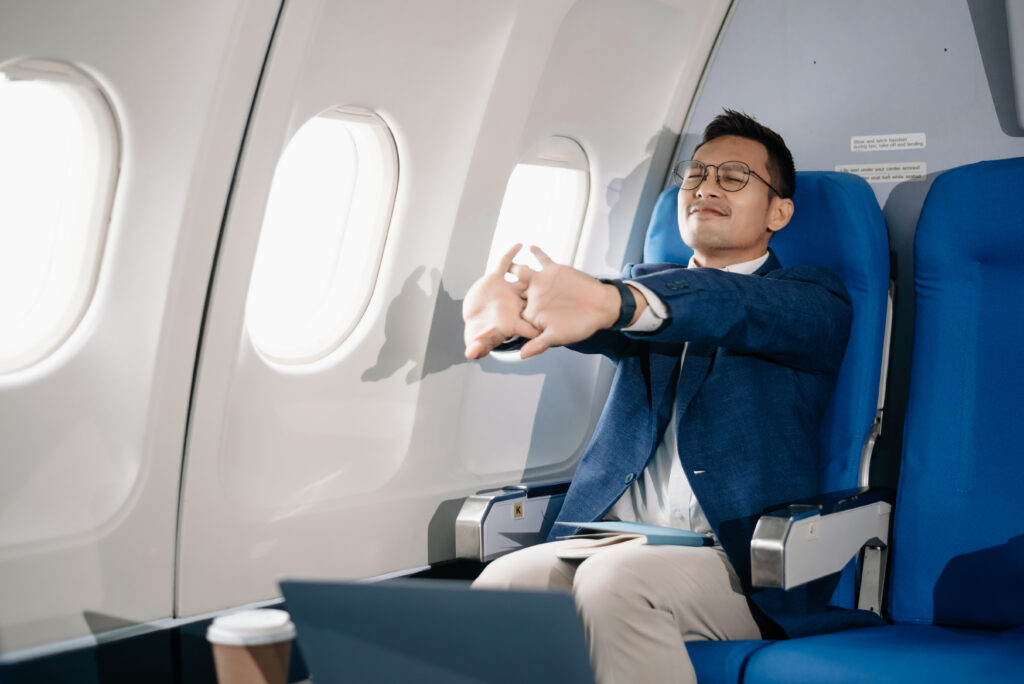
- Stand up every 1 to 2 hours
- Stretch your hips and legs
- Walk around when possible
Even small movements can improve circulation and reduce pressure on the pelvic floor.
Practice Good Sitting Posture
How you sit matters more than you think.
Tips for better posture:
- Sit upright with your back supported
- Keep feet flat on the ground
- Avoid crossing your legs for long periods
Good posture reduces unnecessary strain on your pelvic muscles.
Do Gentle Pelvic Exercises
Simple exercises can help keep your muscles active and relaxed.
Examples include:
- Deep breathing exercises
- Gentle pelvic floor contractions and relaxation
- Seated stretches
These can be done discreetly, whether you are in a car or on a plane.
Be Smart About Bathroom Habits
Avoid holding your bladder for too long, even during busy travel days.
Helpful tips:
- Use the restroom regularly
- Do not rush or strain
- Stay relaxed when urinating
Healthy habits support both bladder and pelvic function.
Lift Luggage Safely
Protect your body when handling bags.
Remember to:
- Bend your knees, not your back
- Keep items close to your body
- Avoid sudden twisting movements
If possible, use luggage with wheels to reduce strain.
After Travel: Recovery Matters
Even with the best preparation, your body may feel some effects after a long trip.
Support your recovery by:
- Stretching your hips and lower back
- Staying hydrated
- Returning gradually to normal activity levels
If discomfort lingers, it may be a sign that your pelvic floor needs additional support.
Learn From Related Pelvic Health Guidance
If you want to better understand how activity levels and movement affect your pelvic floor, this related resource can help you prepare your body before travel, read here.
This article explains how gradual activity progression supports pelvic health, which is especially helpful before long trips that involve extended sitting and sudden bursts of movement.
When to Seek Professional Help
You should consider seeing a specialist if:
- Pelvic pain worsens during or after travel
- You experience bladder or bowel changes
- Sitting becomes increasingly uncomfortable
- Symptoms interfere with your daily activities
Pelvic health specialists in South Florida can identify the root cause and create a plan that fits your lifestyle.
Davenport Pelvic Therapy offers pelvic therapy options in Florida across several locations, making care accessible no matter where you are traveling from.
How Pelvic Floor Therapy Can Help
Pelvic floor therapy focuses on restoring proper muscle function, reducing tension, and improving coordination.
Benefits include:
- Reduced pain and discomfort
- Improved bladder and bowel control
- Better posture and movement patterns
- Increased confidence during travel
Each program is tailored to your specific needs, ensuring effective and lasting results.
Take the Next Step Before Your Next Trip
Travel should be enjoyable, not uncomfortable. With the right preparation and support, you can protect your pelvic health and fully enjoy your summer plans.
If you are looking for pelvic floor therapy in Florida or guidance from pelvic health specialists in South Florida, professional care can make all the difference.
To learn more or schedule an appointment here.
Final Thoughts
Long trips do not have to lead to pelvic discomfort. By preparing your body, maintaining healthy habits, and seeking expert care when needed, you can travel with confidence.
A little planning goes a long way in protecting your pelvic health so you can focus on what matters most: enjoying your journey.