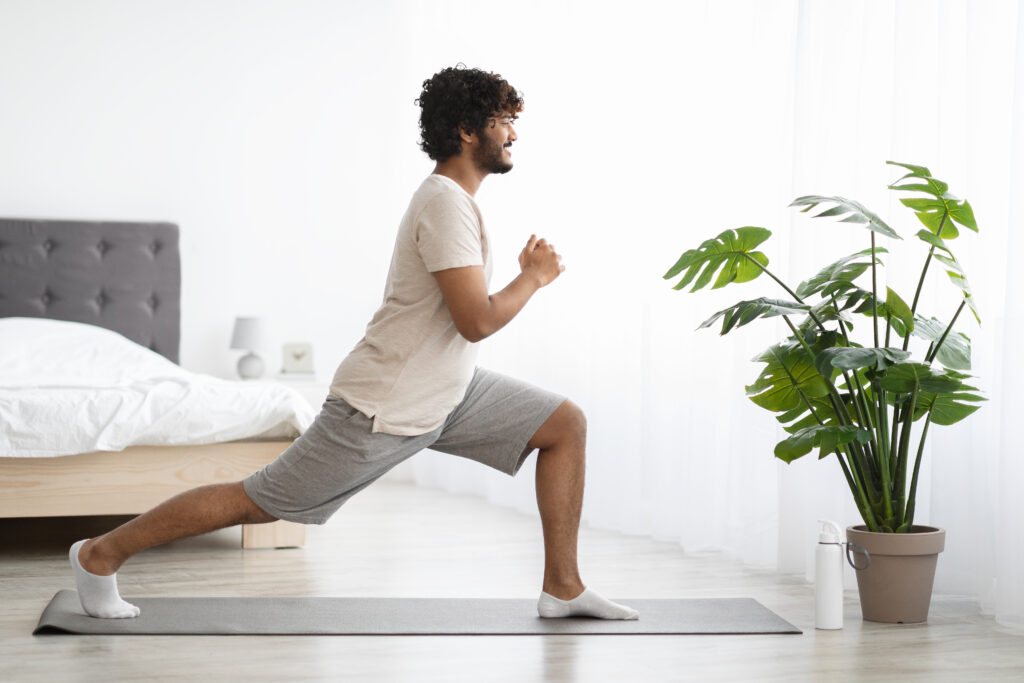
Starting a new workout routine is a great step toward improving your health, strength, and overall well-being. Whether you are getting back into exercise after a break or beginning for the first time, it is important to consider how your body adapts to new physical demands.
One area that is often overlooked is the pelvic floor. These muscles play a key role in stability, bladder and bowel control, and core strength. Without proper support, certain exercises can place excess pressure on the pelvic floor, potentially leading to discomfort or dysfunction.
Taking a proactive approach can help you stay active while protecting your long-term pelvic health.
Why the Pelvic Floor Matters in Exercise
The pelvic floor works together with your core, diaphragm, and deep abdominal muscles to support movement and stability. When functioning properly, it helps manage pressure within the abdomen during activities like lifting, running, or jumping.
If the pelvic floor is not coordinating well, you may experience:
- Urinary leakage during exercise
- Pelvic heaviness or pressure
- Lower back or hip discomfort
- Reduced core stability
- Pain during or after workouts
These symptoms are common but not something you should ignore. Addressing them early can help you continue exercising safely.
Common Mistakes When Starting a Workout Routine
Jumping into a new routine without proper preparation can place unnecessary strain on your pelvic floor.
Doing Too Much Too Soon
Increasing intensity or volume too quickly can overwhelm your muscles, including the pelvic floor.
Holding Your Breath
Breath-holding during exertion increases pressure in the abdomen, which can strain pelvic tissues.
Poor Core Engagement
Relying only on surface-level abdominal muscles instead of the deeper core system can reduce support.
Ignoring Symptoms
Many individuals dismiss early signs like leakage or discomfort, which can lead to more persistent issues.
How to Protect Your Pelvic Floor During Exercise
Taking a few key steps can help you build strength safely and reduce the risk of pelvic floor dysfunction.
Focus on Breathing and Coordination
Proper breathing helps regulate pressure in the abdomen. Exhale during effort, such as when lifting or pushing, to reduce strain.
Build Gradually
Start with lower-impact exercises and gradually increase intensity. This allows your body time to adapt.
Strengthen the Deep Core
Incorporate exercises that support the entire core system, including the pelvic floor, rather than focusing only on visible abdominal muscles.
Choose Pelvic Floor-Friendly Exercises
Low-impact movements such as walking, swimming, or controlled strength training are often a good starting point.
Pay Attention to Your Body
If you notice symptoms like heaviness, leakage, or pain, it may be a sign to modify your routine or seek guidance.
When to Consider Pelvic Floor Therapy
If you are experiencing symptoms or want to prevent injury, pelvic floor therapy can help you safely return to or begin an exercise routine.
You may benefit from therapy if you:
- Experience leakage during workouts
- Feel pelvic pressure or heaviness
- Have a history of childbirth or pelvic surgery
- Are you returning to exercise after a long break
- Want guidance on safe and effective movement
A pelvic floor therapist can assess your muscle function and provide a personalized plan tailored to your fitness goals.
How Pelvic Floor Therapy Supports Active Lifestyles
Pelvic floor therapy is not just for recovery. It can also enhance performance and prevent injury.
Personalized Movement Assessment
Therapists evaluate how your body moves during exercise and identify areas of imbalance or restriction.
Targeted Exercise Programs
You will receive exercises designed to improve coordination, strength, and endurance.
Education on Proper Technique
Learning how to move efficiently can reduce strain and improve results.
Progression Guidance
Therapists help you safely increase intensity without compromising pelvic health.
What to Expect During Your First Session
Your initial visit will focus on understanding your goals and current fitness level.
This typically includes:
- A discussion of your exercise routine and symptoms
- Education on pelvic floor function
- A physical assessment, performed with your consent
- A customized plan to support your activity level
Sessions are designed to be supportive, informative, and tailored to your comfort.
Pelvic Therapy Options in South Florida
If you are looking for pelvic therapy options in South Florida or exploring pelvic floor therapy in Florida, working with experienced professionals can help you stay active safely.
Davenport Pelvic Therapy offers care across several locations in Florida, making it convenient to access expert support. Their team of pelvic health specialists in South Florida provides individualized care to help you move with confidence and reduce the risk of injury.
To find a location near you or schedule an appointment, visit our contact page.
Learn More About Safe and Supportive Movement
If you are becoming more active, understanding how to reduce strain on your body is essential. You can explore helpful tips in this related article.
According to the Cleveland Clinic, even making a small increase in how often you walk every day can lead to some positive health advantages.
Take the First Step Toward Safer Workouts
Starting a new workout routine is an investment in your health. Making sure your pelvic floor is supported can help you avoid setbacks and stay consistent with your goals.
Ready to protect your pelvic health while staying active?
Davenport Pelvic Therapy is here to support you.
📞 Call today to schedule your appointment
🌐 Visit the contact page to find one of several Florida locations.
With accessible pelvic therapy options in South Florida and across the state, expert care is always within reach. Take the first step toward stronger, safer movement today.