Chronic pelvic pain can affect daily movement, exercise, intimacy, and overall quality of life. For some individuals, traditional treatments such as exercise, manual therapy, and medication provide relief. For others, symptoms persist despite conservative care.
Shockwave therapy is an evidence-based, non-invasive treatment that may support tissue healing and reduce chronic pain when used appropriately. If you are exploring pelvic therapy options in South Florida or searching for pelvic floor therapy in Florida, understanding how this treatment works can help you make informed decisions.
What Is Shockwave Therapy?
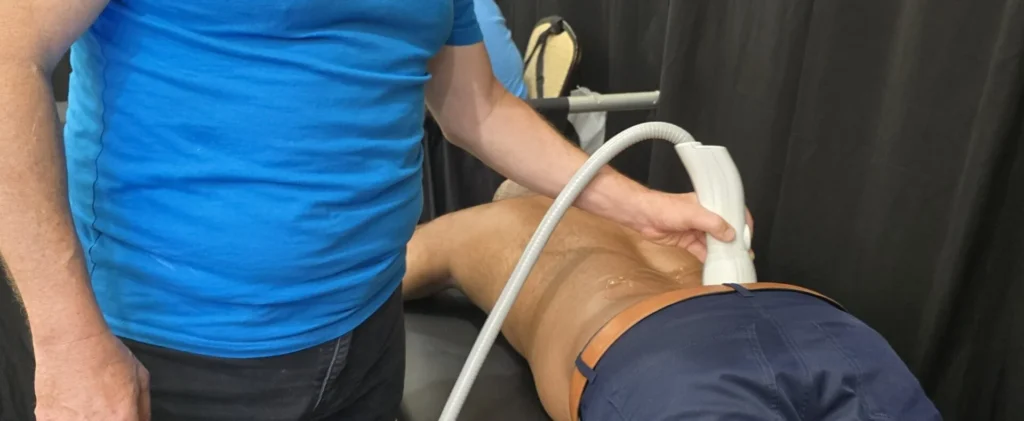
Shockwave therapy, also known as extracorporeal shockwave therapy, uses acoustic sound waves to stimulate healing in targeted tissues.
These sound waves are delivered through a handheld device applied to the skin. The treatment aims to:
- Improve local blood circulation
- Stimulate tissue repair
- Reduce muscle tension
- Support breakdown of scar tissue
- Decrease chronic inflammation
According to the Cleveland Clinic, extracorporeal shockwave therapy is commonly used in musculoskeletal conditions to stimulate healing and relieve chronic pain when other treatments have not been fully effective.
When applied as part of a comprehensive pelvic rehabilitation plan, it may benefit certain pelvic pain conditions.
Conditions Shockwave Therapy May Help
Shockwave therapy is not appropriate for every patient. A thorough evaluation is necessary to determine candidacy. When indicated, it may support treatment for:
Chronic Pelvic Pain
Persistent pain in the pelvic region that lasts longer than three months may involve tight muscles, trigger points, or reduced circulation. Shockwave therapy may help improve tissue mobility and decrease discomfort.
Pain With Intimacy
Some individuals experience pain related to pelvic floor muscle tension or scar tissue. By improving tissue quality and blood flow, shockwave therapy may complement pelvic floor therapy techniques.
Tailbone Pain
Coccyx discomfort can result from falls, prolonged sitting, or muscle tension. Targeted treatment may help reduce localized pain.
Hip and Groin Pain
Because the hips and pelvic floor function together, shockwave therapy may assist in reducing tension that contributes to pelvic symptoms.
Shockwave therapy is most effective when paired with corrective exercise and movement retraining.
What to Expect During Treatment
If shockwave therapy is recommended, your provider will first perform a comprehensive evaluation. This includes reviewing your medical history, assessing pelvic floor function, and examining surrounding muscles.
During treatment:
- A gel is applied to the skin over the targeted area.
- A handheld device delivers controlled acoustic pulses.
- You may feel rhythmic tapping sensations.
- Sessions typically last 10 to 20 minutes.
Some patients report mild discomfort during treatment, especially over tender areas. This sensation is usually brief and well-tolerated.
Most treatment plans include multiple sessions spaced over several weeks.
Is Shockwave Therapy Safe?
Shockwave therapy is considered safe when administered by trained professionals. It is non-invasive and does not require anesthesia or incisions.
However, it may not be recommended for individuals who:
- Are pregnant
- Have certain bleeding disorders
- Have active infections in the treatment area
- Have implanted electronic devices near the treatment site
Your provider will determine whether shockwave therapy is appropriate based on your medical history and symptoms.
How Shockwave Therapy Fits Into a Comprehensive Pelvic Plan
Shockwave therapy is not a standalone solution. It is used as part of a broader pelvic rehabilitation strategy.
Pelvic pain often increases when activity levels change or when underlying muscle imbalances are not addressed. If your symptoms began after becoming more active, you may benefit from reading our related article, Spring Into Relief: How to Reduce Pelvic Pain as You Become More Active, which explains how conditioning, breathing coordination, and gradual progression support recovery.
Shockwave therapy may be introduced when conservative strategies alone are not producing sufficient improvement. Combining therapeutic exercise, manual techniques, and evidence-based modalities often leads to better long-term outcomes.
Who Is a Good Candidate?
You may be a candidate for shockwave therapy if you:
- Have chronic pelvic pain lasting longer than three months
- Have not achieved full relief with exercise alone
- Experience localized muscle tenderness or trigger points
- Have scar tissue contributing to restricted movement
- Want a non-surgical option for pain management
A comprehensive evaluation ensures that treatment is tailored to your specific needs.
Pelvic Floor Therapy in Florida
Davenport Pelvic Therapy provides pelvic floor therapy in Florida with several locations serving communities throughout the region. Our pelvic health specialists in South Florida offer individualized care for both women and men experiencing pelvic pain.
If you are searching for pelvic therapy options in South Florida, our team will guide you through a personalized assessment and treatment plan designed around your goals.
To learn more about available locations or schedule an appointment, please visit our contact page.
Our staff will help you find the most convenient office for your care.
When to Seek Evaluation
Pelvic pain that persists for weeks or months should not be ignored. Early evaluation often improves long term outcomes.
You should consider scheduling an assessment if you:
- Experience ongoing pelvic discomfort
- Avoid exercise due to pain
- Have pain with sitting
- Experience pain during intimacy
- Feel limited in daily activities
Evidence-based treatments, including shockwave therapy when appropriate, can help restore function and improve quality of life.
Take the Next Step Toward Relief
Shockwave therapy offers a promising, research-supported option for certain individuals with chronic pelvic pain. When combined with comprehensive pelvic rehabilitation, it may help improve circulation, reduce tension, and support healing.
If you are interested in learning whether this treatment is right for you, contact Davenport Pelvic Therapy today. Our team of pelvic health specialists in South Florida is ready to help you regain comfort and confidence.