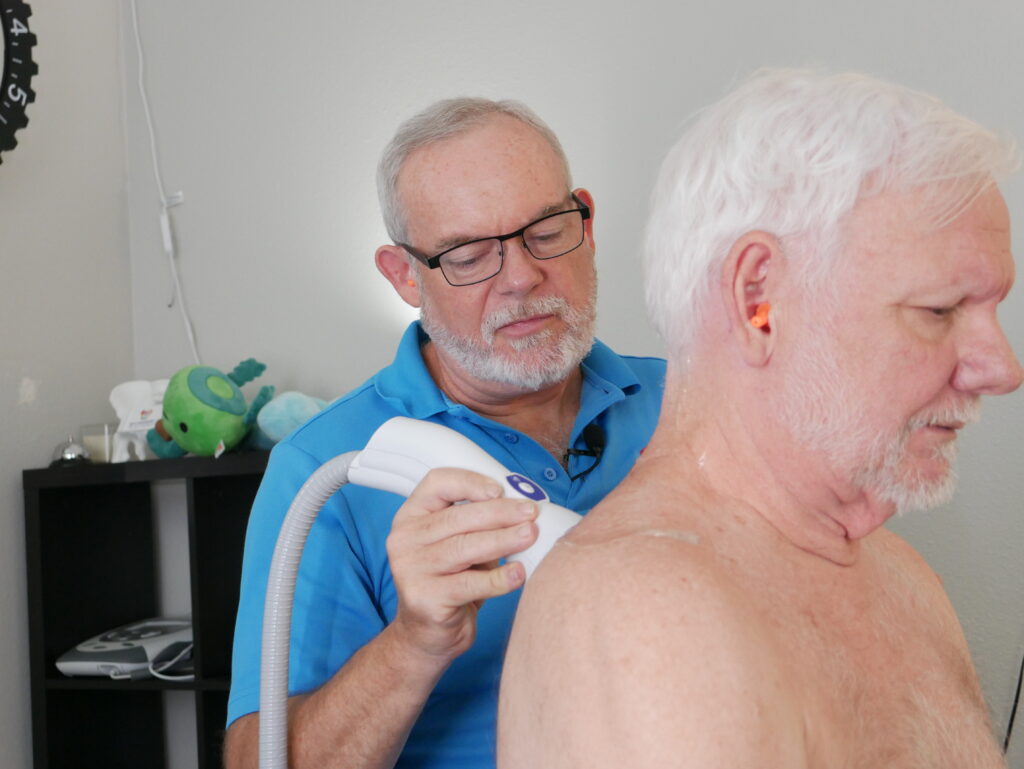
Shockwave therapy has gained attention as a non-invasive treatment option for pelvic pain, erectile concerns, and soft tissue dysfunction. While many men are curious about it, fewer understand when shockwave therapy is actually appropriate and how it fits into a broader pelvic health plan.
Rather than asking whether shockwave therapy works in general, a better question is whether it is the right choice for your specific symptoms, goals, and history. For men exploring pelvic therapy options in South Florida and across Florida, understanding this distinction can save time and frustration.
At Davenport Pelvic Therapy, shockwave therapy is used selectively and strategically as part of individualized care. Knowing when it makes sense can help you decide your next step with confidence.
What Shockwave Therapy Is Designed to Address
Shockwave therapy is best suited for conditions involving tissue restriction, reduced circulation, or lingering discomfort that has not fully responded to conservative care alone.
It may be considered when symptoms involve:
- Persistent pelvic pain
- Soft tissue tightness or restriction
- Reduced blood flow affects sexual function
- Ongoing sensitivity after injury or surgery
- Chronic inflammation that limits recovery
Shockwave therapy is not a general wellness treatment. It is most effective when targeted toward specific tissue-related issues identified during evaluation.
You can learn more about the treatment itself on our Shockwave Therapy page.
Situations Where Shockwave Therapy May Make Sense
Shockwave therapy is often introduced after certain patterns appear.
Symptoms That Plateau
Some men make progress with pelvic therapy but reach a point where improvement slows. Shockwave therapy may help improve tissue quality and circulation, so progress can continue.
Long Standing Tissue Tightness
When soft tissue remains restricted despite stretching or manual therapy, shockwave therapy may help improve flexibility and comfort.
Circulation Related Concerns
For men whose symptoms appear tied to blood flow rather than muscle weakness, shockwave therapy may support healthier tissue response.
Difficulty Tolerating Other Treatments
Men who prefer to avoid injections, medications, or surgical options often explore shockwave therapy as a conservative alternative.
When Shockwave Therapy May Not Be the Best Starting Point
Shockwave therapy is not always the first or best option.
It may not be appropriate when:
- Symptoms are primarily nerve-related
- Pelvic muscles are highly overactive and cannot relax
- Infection or acute inflammation is present
- Postural or breathing patterns are the main contributors
In these cases, addressing muscle coordination, posture, and nervous system regulation first often leads to better outcomes.
How a Pelvic Evaluation Guides the Decision
Determining whether shockwave therapy is appropriate begins with a thorough evaluation. This includes reviewing symptoms, movement patterns, posture, and muscle coordination.
Pelvic therapy focuses on identifying the root contributors rather than treating symptoms in isolation. Shockwave therapy is added only when it supports the overall plan.
If pelvic pain or prostatitis symptoms are part of your history, additional information is available on our Pelvic Pain and Prostatitis page.
Understanding Expectations Before Starting Shockwave Therapy
Shockwave therapy is not a quick fix. It works best when expectations are realistic and aligned with a broader care strategy.
Important points to understand include:
- Improvement is often gradual
- Multiple sessions are usually needed
- Shockwave therapy works best alongside pelvic therapy
- Results vary based on tissue health and history
Men who view shockwave therapy as one piece of a comprehensive plan tend to have more satisfying outcomes.
The Role of Circulation in Recovery
Circulation plays a key role in tissue repair and comfort. Restricted blood flow can slow healing and increase sensitivity. According to the Cleveland Clinic, extracorporeal shockwave therapy is used to stimulate healing in injured soft tissue by increasing blood flow to the affected area and activating the body’s natural repair processes, particularly for chronic or stubborn pain conditions.
Shockwave therapy is rarely used alone. It is most effective when paired with pelvic therapy strategies that address posture, breathing, and movement habits.
Pelvic therapy may focus on:
- Reducing unnecessary muscle tension
- Improving pelvic coordination
- Supporting healthy posture
- Regulating nervous system response
Shockwave therapy can then support tissue health while these foundational issues are addressed.
Accessing Shockwave Therapy in Florida
Davenport Pelvic Therapy provides men’s pelvic health services across multiple locations in Florida. Men seeking pelvic therapy options in South Florida and other regions can access shockwave therapy as part of individualized care.
Location flexibility helps ensure treatment plans fit into real-life schedules.
Questions to Ask Before Starting Shockwave Therapy
Before beginning shockwave therapy, it helps to ask:
- What tissues are being targeted
- How does this fit into my overall plan
- What results are realistic
- How many sessions may be needed
- What else should I be doing alongside treatment
Clear communication helps ensure treatment decisions feel informed rather than rushed.
Frequently Asked Questions
Is shockwave therapy painful?
Most men describe mild sensations that are easy to tolerate.
Can shockwave therapy replace pelvic therapy?
No. It works best as a complement rather than a replacement.
How soon do results appear?
Some notice changes early, while others experience gradual improvement.
Is shockwave therapy safe?
When performed appropriately, it is considered safe and non-invasive.
Do I need a referral?
Most patients in Florida can schedule directly.
Taking the Next Step
Shockwave therapy can be a valuable tool when used for the right reasons and at the right time. Understanding whether it fits your specific needs helps you move forward with confidence.
If you are exploring pelvic therapy options in South Florida or other Florida locations and want to know whether shockwave therapy is appropriate for you, schedule a free consultation to discuss your options.