
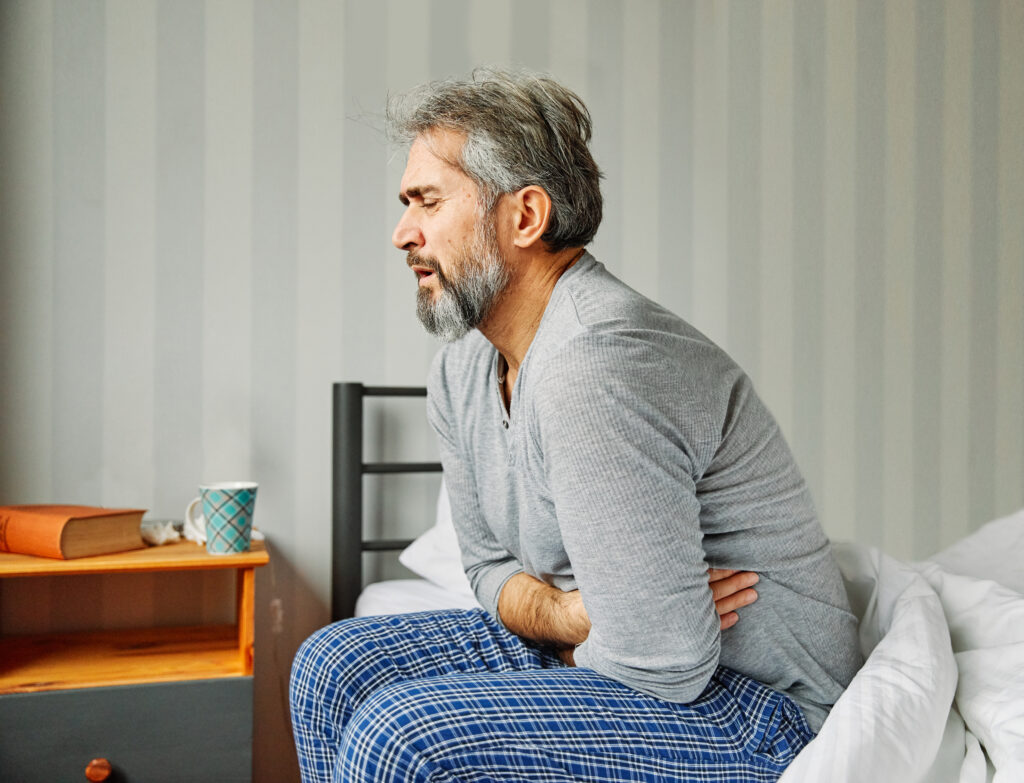
Pelvic pain has a frustrating tendency to become more noticeable at night. Many men report feeling relatively functional during the day, only to experience increased discomfort once they lie down. This pattern can disrupt sleep, increase anxiety, and make symptoms feel more overwhelming.
If pelvic pain tends to flare up in the evening or wakes you during the night, you are not imagining it. There are several reasons symptoms often feel worse after dark. Understanding these factors can help you take steps that calm your body and reduce nighttime discomfort.
At Davenport Pelvic Therapy, we regularly support men seeking pelvic therapy options in South Florida and across Florida who struggle with nighttime pelvic pain. The good news is that simple changes often make a meaningful difference.
Why Pelvic Pain Intensifies at Night
Nighttime pelvic pain is rarely caused by one single issue. Instead, multiple factors tend to stack up throughout the day.
Reduced Distractions
During the day, your attention is spread across work, movement, and daily responsibilities. At night, distractions fade. This makes your nervous system more aware of sensations that were already present but less noticeable earlier.
Muscle Fatigue
Pelvic muscles work all day to support posture, bladder control, and movement. By evening, fatigued muscles may tighten as a protective response, increasing discomfort.
Prolonged Sitting
Many men sit for extended periods during the day. Long hours of sitting can compress pelvic tissue and reduce circulation, leading to symptoms that appear later.
Stress and Nervous System Activity
Stress hormones remain elevated after busy days. When your body has trouble shifting into a relaxed state, pelvic muscles may stay tense.
Sleep Position
Certain sleeping positions place direct pressure on the pelvis or keep muscles in shortened positions for hours, which can worsen pain.
The Role of Circulation and Healing at Night
Healthy circulation supports tissue repair and relaxation. When circulation is restricted, muscles and nerves become more sensitive.
According to the Sleep Foundation, pain sensitivity can follow a 24-hour cycle, and for some people, it can feel more intense at night. That timing can make nighttime symptoms feel louder even if the underlying issue did not suddenly change.
Limited movement during sleep means tissues do not receive the same blood flow they get during daytime activity, which can contribute to nighttime discomfort.
How Sleep Position Affects Pelvic Pain
Your sleeping posture matters more than you might expect.
Back Sleeping
Sleeping flat on your back may increase pressure through the lower pelvis, especially if your lower back arches. Placing a pillow under your knees can help reduce strain.
Side Sleeping
Side sleeping is often more comfortable, but only if alignment is supported. Without proper support, the pelvis may rotate and create tension through the hips and pelvic floor.
Stomach Sleeping
Stomach sleeping often increases pelvic and lower back strain and is more likely to aggravate symptoms.
Strategies That Help Reduce Pelvic Pain at Night
Small adjustments before bedtime can help calm your nervous system and reduce tension.
1. Create a Wind Down Routine
Give your body time to shift out of alert mode. Gentle stretching, warm showers, or quiet breathing exercises signal safety to the nervous system.
2. Use Supportive Pillows
Adjust your sleep setup by adding cushioning that keeps your hips and pelvis in a neutral position. Side sleepers may benefit from extra support between the legs, while those who sleep on their back can reduce strain by elevating the legs slightly.
3. Limit Evening Sitting
Try to stand, walk, or stretch lightly in the evening. This improves circulation before bed.
4. Practice Relaxed Breathing
Slow breathing helps reduce pelvic muscle guarding. Focus on breathing into the abdomen rather than the chest.
5. Apply Gentle Heat
Heat encourages blood flow and muscle relaxation. A warm pack applied briefly before bed may reduce stiffness.
6. Avoid Bladder Irritants Late in the Day
Caffeine, alcohol, and spicy foods can irritate pelvic structures and worsen nighttime symptoms.
When Nighttime Pelvic Pain Signals Pelvic Floor Dysfunction
Occasional discomfort happens, but consistent nighttime pain may indicate pelvic floor dysfunction.
Signs include:
- Pain that worsens after lying down
- Pelvic pressure that interrupts sleep
- Urinary urgency at night
- Pain that improves temporarily with movement
Pelvic floor muscles that struggle to relax often become more symptomatic when the body is still.
Learn more about related conditions on our Pelvic Pain and Prostatitis page.
How Pelvic Therapy Helps Nighttime Pelvic Pain
Pelvic therapy focuses on restoring balance, not forcing strength.
Treatment may include:
- Muscle relaxation techniques
- Breathing and posture retraining
- Nervous system calming strategies
- Education on sleep positions
- Manual therapy to reduce tension
For some men, advanced treatments such as shockwave therapy may also support circulation and tissue health.
You can explore these options in our article Exploring the Benefits of Shockwave Therapy for Pelvic Health.
When to Seek Professional Help
Consider pelvic therapy if:
- Nighttime pain disrupts sleep regularly
- Symptoms worsen despite lifestyle changes
- Pain increases with stress
- Medications have not resolved the symptoms
Early support often prevents symptoms from becoming more persistent.
Davenport Pelvic Therapy offers men’s pelvic health services across several locations in Florida, providing accessible pelvic therapy options in South Florida and other regions.
Frequently Asked Questions
Is pelvic pain at night common?
Yes. Many men notice symptoms increase during rest due to muscle fatigue and nervous system changes.
Can sleep position really affect pelvic pain?
Yes. Alignment plays a major role in muscle tension and comfort.
Does nighttime pain mean something serious?
Not always, but ongoing pain should be evaluated.
How long does pelvic therapy take to help?
Many men notice improvement within a few sessions.
Do I need a referral in Florida?
Most patients can schedule directly.
Improving Sleep and Comfort
Nighttime pelvic pain can feel discouraging, but it is often manageable with the right strategies. Supporting your body before bed, improving sleep posture, and addressing underlying muscle tension can lead to better rest.
If pelvic pain has been affecting your sleep or quality of life, schedule a free consultation to explore personalized pelvic therapy options in South Florida and across multiple Florida locations.